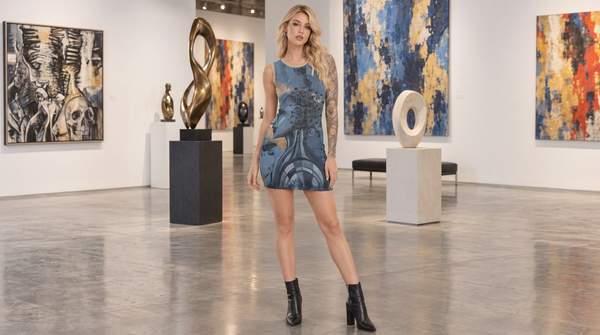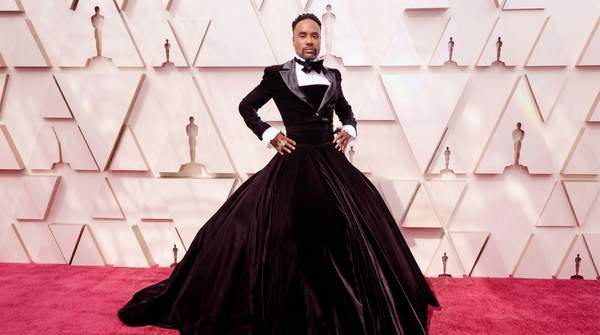
Every May, the Met Gala hands the culture a question it never quite finishes answering: is fashion art? The 2026 dress code, "Fashion is Art," made the question explicit rather than implied. But here is my honest position after sitting with the arguments: the debate is not really about garments at all. It is about which definition of "art" you are willing to use — and the two leading definitions lead to opposite conclusions about the same gown.
Introduction: The Met Gala and the "Fashion as Art" Question
The Met Gala occupies a strange cultural position. As coverage in The Commentator noted, the annual theme gives every guest the same assignment, so each outfit becomes an interpretation that can be compared, ranked, and argued over — discourse that social media devours. The theme also reaches beyond the guest list; fashion followers dress up at home as if they were invited. The event puts musicians, actors, athletes, and artists on the same staircase, and fans follow their favorites look by look.
But the gala is more than a spectacle. Writing for M.S. Rau, a commentator observed that the event has long drawn in those who believe fashion deserves the same serious consideration as the works hanging on the Met's walls — and that the 2026 theme made that argument explicit. The Costume Institute's head curator, Andrew Bolton, framed the exhibition around what he calls "the centrality of the dressed body within the museum," positioning the garment as a medium through which culture, identity, and beauty are expressed or contested. That framing is the whole debate in miniature: an institution deciding, deliberately, to treat clothing as art.
Framework 1: Art as Autonomous Object (The Kantian View)
The first framework descends from Kant. In this view, fine art is autonomous: it is not made to function, to sell, or to serve an external purpose, but to cultivate aesthetic judgement. The most sculptural and conceptually ambitious looks of a gala evening can approach Kant's notion of "purposiveness without purpose" — objects that look designed, yet serve nothing beyond contemplation.
Under this lens, fashion has a structural problem. A dress clothes a body. A suit is manufactured, priced, and sold. As one analysis of the 2026 gala put it, this definition implicitly separates art from domains structured by utility and commerce, which places it in tension with fashion, a practice embedded in systems of production and consumption. If art must be free of function, then almost nothing we wear can qualify — no matter how beautiful. This is the framework behind the most common objection: fashion is commerce, therefore not art.