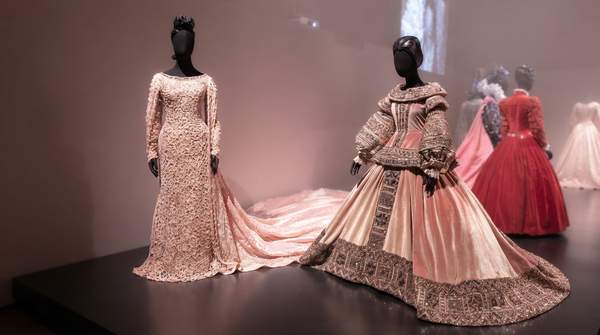
When a costume in a period drama looks "wrong," the interesting question isn't whether it's historically accurate—it's why the designer chose not to make it so. The answer, according to academic research into how professional designers actually work, is that narrative takes precedence over historical accuracy, and the degree of accuracy is conditional on three factors: applicability, attainability, and performability. I find this framework genuinely changes how you watch period productions, so let me walk you through it.
The Core Tension: Accuracy vs. Narrative in Period Costume Design
Every historically set production faces the same bind. The audience expects to be transported to another era, yet the costumes must also communicate character, theme, and emotion to a modern viewer. Sara Jablon-Roberts and Eulanda Sanders, writing on the theory of costume design, treat costume as a form of communication—and that framing dissolves the false binary of "accurate versus inaccurate." A costume is a message first, and historical fidelity is simply one tool available for delivering it.
The tension is real, though, and it cuts both ways. As one costume commentator, Samantha Cadorin, observes, audiences pick up on inconsistencies quickly and can be pulled out of the story by them—yet taking too much artistic license can make a period drama lose its credibility. Designers are navigating a narrow channel between museum-piece fidelity and interpretive freedom, and the three-factor framework explains how they steer.