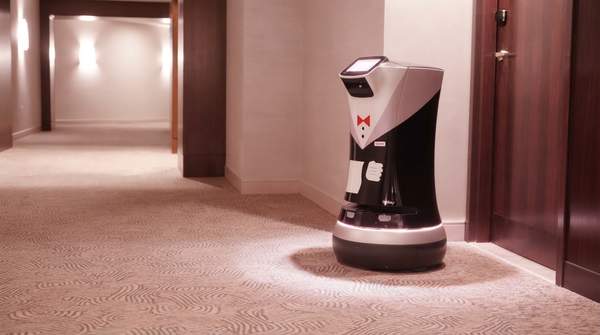
Luxury hotels are deploying AI in three distinct ways, and once you can name them, every gadget and app you encounter starts making sense. There are on-demand services that answer your requests instantly, proactive recommendations that anticipate what you might want next, and customized environments that quietly reshape your room around you. Together they form a framework for understanding how the modern high-end stay is being engineered.
The Rise of AI in Luxury Hospitality
Personalization has always been the currency of luxury hospitality. What has changed, as industry analyst Jordan Hollander has observed, is that AI is making it scalable. More than half of travelers—58 percent in the survey he cites—believe AI can improve their stay, and the most innovative hotels are using it to anticipate guest needs with what he calls "remarkable precision."
The stakes are straightforward: basic services no longer satisfy increasingly demanding customers, according to analysis from the École hôtelière de Lausanne's insight platform. AI offers a way to deliver hyper-personalized experiences at scale, analyzing guest data to anticipate needs even before a guest walks through the door. The Otonomus Hotel in Las Vegas, described as the first AI-powered hotel in the US, is a concrete example: its platforms let guests customize rooms, services, and amenities based on their stated likes and dislikes.
AI-Driven Personalization: A Three-Category Framework
I find it useful to sort AI amenities by what they actually do rather than by brand or buzzword. The first category is reactive: you ask, the system responds. The second is anticipatory: the system predicts what you might want and offers it before you ask. The third is ambient: the system passively shapes your physical surroundings without any request at all.
These categories are not mutually exclusive—a hotel app might contain a chatbot, push recommendations, and control your thermostat—but each amenity has a primary function. Recognizing which one you are dealing with tells you what data the hotel is likely using and what kind of experience it is trying to create.
AI Personalization Framework for Luxury Hotels
Use this framework to categorize any AI amenenity you encounter during a stay. The reasoning is simple: every AI-driven amenity must do at least one of three things—react to a request, anticipate a need, or adjust the environment—so any technology you meet can be placed by asking which of those it performs.
| Category | What It Does | Guest Experience Impact | Data It Draws On |
|---|---|---|---|
| On-Demand Services (Reactive) | Responds instantly to requests—extra pillows, towels, in-room dining, valet—via chatbots, in-room tablets, smart TVs, and voice assistants | Removes friction; guests order, customize meals, and check preparation times without picking up the phone | Guest profiles and preferences to offer tailored options |
| Proactive Recommendations (Anticipatory) | Suggests personalized dining, spa, and activity options based on past behavior and location | Well-timed, relevant offers that anticipate needs before arrival or during the stay | Past behavior, preferences, and behavioral patterns |
| Customized Environments (Ambient) | Adjusts the room itself—services and amenities configured to likes and dislikes | A room that feels pre-tailored; guests shape their own physical setting | Stated preferences and behavioral data analyzed before check-in |
The framework's value is diagnostic. When a hotel app sends you a spa suggestion, that is anticipatory personalization powered by behavioral data. When your room is already configured the way you like it, that is ambient personalization. When a chatbot fetches your late-night dinner order, that is reactive service.