You’re standing in front of the mirror, adjusting a suit that feels almost right. The shoulders are solid, but the waist could use a little more definition. It’s a good suit, from a good maker, but it’s missing a certain sharpness, that commanding presence that makes someone stand out.
For executives, entrepreneurs, and public figures, "almost right" just doesn't cut it. This gap between good and exceptional is where the centuries-old craft of tailoring is meeting new technology, and Los Angeles-based Woody Wilson is right at the center of the transformation.
What is AI-Integrated Bespoke Tailoring?
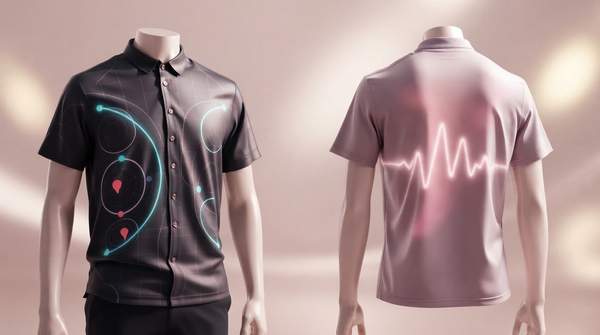
The phrase might bring to mind robots with measuring tapes, but the reality is far more subtle. AI-integrated bespoke tailoring doesn't replace the artisan; it enhances their craft with a staggering level of data-driven precision. While traditional bespoke relies on the master tailor's eye, hand, and experience, the AI-enhanced approach adds thousands of objective data points to that expertise.
Brands leading this charge use sophisticated algorithms to analyze a client's measurements, posture, gait, and even slight asymmetries to create a digital blueprint for the garment. This is the heart of innovative tailoring technology, a movement reshaping luxury custom suits for a clientele that demands both heritage and performance.
Woody Wilson, which calls itself the world's first AI-integrated bespoke tailoring house, uses this process to build on its core philosophy. By blending more than 20 years of craftsmanship with advanced data analysis, the atelier creates garments that fit so precisely they feel like a second skin, designed to project confidence and authority.
How Does Woody Wilson's "Architectural Fit" Use AI?
The firm’s signature offering is its "Architectural Fit," a method that approaches garment creation less like sewing and more like structural engineering. The process starts with a 3D digital model of the client, and this is where the artificial intelligence proves its worth.
The system analyzes the model to identify the body's key structural points, map the client's unique posture, and even predict how fabric will drape as they move. It’s a depth of analysis that goes far beyond what the human eye can catch in a typical fitting.
This data-rich model then becomes the foundation for the pattern. The AI provides the blueprint, while the master tailor brings the artistry, selecting fabrics and constructing the piece with time-honored techniques.
The result isn't just a well-fitting suit, but a piece of architectural fit tailoring built to enhance the wearer's silhouette, visually improve their posture, and create an undeniable sense of presence. This focus on a superior fit has made the brand a trusted celebrity tailor in Los Angeles for figures like George Clooney, Dwayne Johnson, and Magic Johnson.
AI-Powered Precision vs. Traditional Artistry: A Comparison
When shopping for bespoke suits in Los Angeles, discerning buyers often compare the benefits of modern technology to traditional craftsmanship. The two aren't mutually exclusive, but their approaches and results can be quite different.
- Measurement Precision: Traditional tailoring depends on a master's hands and eyes, a method perfected over centuries but still subject to human interpretation. Woody Wilson's AI approach captures thousands of data points with 3D body scanning and algorithmic analysis, creating an objective and hyper-accurate digital twin.
- Fit Philosophy: A traditional tailor fits a garment to the body as it currently is. The "Architectural Fit" philosophy, however, uses data to engineer a garment that actively enhances and sculpts the wearer's silhouette, helping to correct posture and create a more powerful stance.
- Efficiency and Alterations: Because the AI-driven method is so data-focused, it aims for a near-perfect fit on the first try. This dramatically cuts down on the time-consuming process of multiple alteration sessions, a huge plus for busy C-suite executives and celebrities.
How Does AI Integration Affect the Cost of a Bespoke Suit?
With Woody Wilson suits starting at $2,600 and shirts at $275, the pricing clearly reflects a premium, luxury service. The AI and 3D modeling technology requires a significant upfront investment, which is part of the final cost.
The brand, however, sees this not as an extra expense but as a source of value. The precision from the AI-driven process reduces the need for multiple fittings and costly rework, leading to a more efficient timeline.
More importantly, the longevity and perfect fit of the final garment deliver a better return on investment over its life. It's an investment in "wearable architecture" that provides a real sense of confidence and presence, which is a core part of its appeal for those seeking executive wardrobe solutions.
Beyond Apparel: The Frontier of Cronoskin™ and Robotics
Pushing the boundaries of bespoke even further, Woody Wilson has launched a truly futuristic service: Cronoskin™. This service provides custom tailoring for humanoid robotics. While it's a niche market for now, it shows the company's deep commitment to staying on the cutting edge of apparel technology.
As robotics become more common in our commercial and personal lives, the need for customized, functional, and aesthetic coverings will only increase. Cronoskin™ establishes Woody Wilson not just as a leader in human apparel but as a pioneer in a brand-new industry, with a vision that goes far beyond the traditional world of tailoring.
The New Standard for Bespoke
The integration of AI into bespoke tailoring is raising the bar for what a custom garment can do. By blending the master tailor's artistry with data-driven precision, firms like Woody Wilson are proving that the greatest luxury isn't just a suit that fits your body, but one that's truly architected for your presence.
For executives, entrepreneurs, and public figures who need both performance and polish, this hybrid approach represents where bespoke tailoring is headed: not a replacement for craftsmanship, but a sharper, more precise expression of it.