The Glossy Times

What Are The Best Anti-Aging Ingredients For Skin Health?

After just 12 days, an over-the-counter cosmetic 'anti-ageing' product applied to photoaged skin was shown to stimulate the deposition of fibrillin-1, a key component for skin elasticity, according to

PS
Priya Sharma

June 4, 2026 · 5 min read

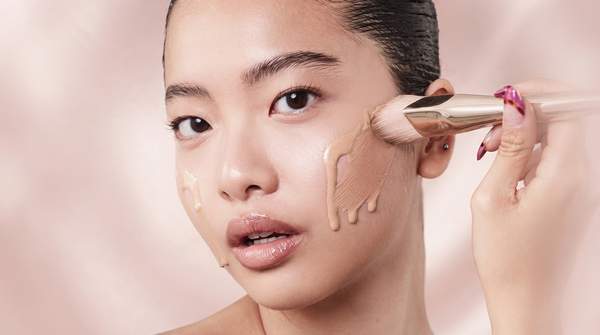
Close-up of a woman's radiant, healthy skin with a youthful glow, emphasizing texture and vitality.

After just 12 days, an over-the-counter cosmetic 'anti-ageing' product applied to photoaged skin was shown to stimulate the deposition of fibrillin-1, a key component for skin elasticity, according to PMC. A rapid biological response challenges long-held beliefs that significant dermal remodeling required extensive, often invasive, treatments. It suggests readily available topical solutions can initiate measurable repair mechanisms in skin health and appearance.

However, the anti-aging market is saturated with products promising youth, yet only a handful of ingredients consistently deliver scientifically measurable improvements. Consumers navigate a complex landscape of marketing hype, often obscuring genuine scientific efficacy. The tension is clear: widespread product claims versus the limited compounds proven to effect real change.

Therefore, consumers who understand the science behind key ingredients can achieve significant skin rejuvenation, avoiding ineffective products and wasted investment. An informed approach prioritizes evidence-based skincare, empowering individuals to make choices that lead to tangible improvements in skin texture, tone, and elasticity, identifying the best anti-aging ingredients for skin health in 2026.

The Power Players: Retinoids, AHAs, and Antioxidants

Topical retinoids, including retinol and adapalene, are widely available over the counter. They significantly improve fine wrinkles, according to Health. These vitamin A derivatives accelerate cell turnover and stimulate collagen production. The result: smoother skin texture and reduced signs of photoaging. Consistent use actively diminishes the visible effects of sun damage and chronological aging.

Alpha-hydroxy acids (AHAs), like glycolic or lactic acid, deliver noticeably smoother skin in as little as 24 hours. AHAs exfoliate the outermost layer of dead skin cells. The exfoliation reveals fresher, more radiant skin. The process improves skin tone and softens fine lines by encouraging cellular renewal.

Innovative anti-aging formulations often combine potent ingredients: retinoids, peptides, and antioxidants, states Alpine Derm Clinic. Antioxidants, such as Vitamins C and E, shield skin cells from environmental damage caused by free radicals, a key contributor to premature aging. The strategic combination of these ingredients forms the bedrock of an effective anti-aging regimen. A multi-pronged approach offers both immediate and long-term visible improvements, addressing the complex facets of skin aging simultaneously. A shift is signaled: consumers no longer need to choose between immediate gratification and sustained improvement.

Unpacking the Science: How Ingredients Remodel Skin

A 6-month double-blind randomized controlled trial showed a specific test product significantly improved facial wrinkles (P = 0.013), according to PMC. The outcome confirms targeted topical treatments induce measurable changes in skin structure over months. The improvements were not superficial; they signaled deeper biological activity.

The same study observed significant fibrillin-1 deposition in skin treated for 6 months with the test product (2.57 ± 0.19 vs. 1.84 ± 0.23 for vehicle). Fibrillin-1, an essential glycoprotein, forms microfibrils, providing skin with structural integrity and elasticity. Its increased presence directly correlates with active dermal remodeling, contributing to improved skin firmness and reduced sagging. The direct link between fibrillin-1 deposition and wrinkle reduction provides a crucial mechanistic explanation for the observed clinical improvements.

Clinical trials and mechanistic studies consistently confirm effective ingredients actively remodel skin structure. This process leads to measurable improvements in elasticity and wrinkle reduction. Scientific validation means accessible, non-invasive topical solutions can now achieve anti-aging goals once reserved for aggressive professional procedures. The line between cosmetic and medical efficacy for consumers continues to blur.

Beyond the Basics: Niacinamide and Accessible AHAs

Topical niacinamide, a form of Vitamin B3, applied at 5% concentration twice daily, reduced freckles and sun spots in just four weeks, according to Health. Niacinamide works by inhibiting pigment transfer from melanocytes to keratinocytes, effectively reducing hyperpigmentation. Its anti-inflammatory properties also foster a more even skin tone and strengthen barrier function.

Over-the-counter (OTC) alpha-hydroxy acids (AHAs) at concentrations around 10% deliver real results and are safe for home use. These lower concentrations provide effective exfoliation without the irritation of higher, professional-grade peels. Consistent use improves skin texture, reduces fine lines, and enhances overall radiance. The accessibility democratizes effective exfoliation, moving it from clinic to bathroom cabinet.

Beyond the most recognized compounds, accessible ingredients like niacinamide and OTC AHAs offer targeted benefits with proven efficacy. These options empower consumers with diverse solutions for concerns from hyperpigmentation to textural irregularities. Effective anti-aging skincare is now genuinely achievable at home, shifting the paradigm of who can access advanced treatments.

The Long Game: Sustained Results and Commitment

After 12 months, the test product showed significant wrinkle improvement over the vehicle: 70% of subjects improved versus 33% for the vehicle, according to PMC. Long-term data confirms consistent application is vital for substantial anti-aging benefits. Skin remodeling and repair are gradual, demanding sustained cellular stimulation.

The year-long sustained improvement proves significant dermal changes, like increased elasticity and reduced wrinkle depth, are not transient. These lasting effects transcend superficial cosmetic enhancements, indicating genuine biological transformation within the skin. Consumers dedicated to a consistent regimen will see progressive, durable results.

Commitment to sustained application of scientifically validated anti-aging products is paramount. The rapid, tangible benefits offered by ingredients like niacinamide (sun spots in four weeks) and AHAs (smoother skin in 24 hours) signal a profound market disruption. Consumers now achieve significant anti-aging benefits at home, compelling professional aesthetic services to justify their premium with increasingly dramatic or specialized offerings. The shift places the burden of proof onto clinics, not consumers.

Emerging Frontiers: Peptides and Oral Supplements

Peptides, short chains of amino acids, are increasingly central to innovative anti-aging formulations. They act as messengers, signaling skin cells to perform specific actions like collagen synthesis or wound repair. The signaling capability helps improve skin elasticity and reduce wrinkles, making them a crucial component for advanced skin rejuvenation.

Beyond topical applications, research into oral supplementation suggests a potential complementary role for internal ingredients in supporting skin health. One study involved 16 weeks of daily supplementation with either an anti-aging formula or a placebo, according to JCAD Online. While topical treatments remain primary, oral supplements may offer internal support for overall skin integrity, hinting at a holistic approach to anti-aging.

The Undeniable Truth of Dermal Remodeling

Certain ingredients actively stimulate dermal remodeling through collagen and extracellular matrix synthesis, according to MDPI. The biological process reconstructs the skin's foundational layers. It leads to improvements in strength, elasticity, and a youthful appearance. The ability of topical agents to initiate such profound internal changes marks a significant advancement in skincare science.

Ultimately, the most effective anti-aging ingredients actively stimulate the skin's natural repair processes, rebuilding its fundamental structure from within. The targeted approach moves beyond masking symptoms; it addresses the root causes of skin aging. Consumers now access products that improve surface texture and contribute to lasting dermal health, fundamentally changing expectations.

If current trends continue, the accessibility and proven efficacy of advanced topical anti-aging solutions will likely redefine consumer expectations, potentially making invasive procedures a niche choice rather than a mainstream necessity for visible skin rejuvenation.