In a groundbreaking experiment, engineered Cutibacterium acnes bacteria, often associated with acne, were shown to reduce sebum production in vitro. This hints at a future where skin conditions are treated by reprogramming our own microbial residents. This scientific advancement offers a new pathway for effective, long-term solutions, moving beyond superficial treatments. Such precise manipulation of skin microbes holds revolutionary therapeutic potential for skin health.
The skin microbiome is a vital, interactive component of skin health with immense therapeutic potential. However, significant technical and scientific barriers currently impede its full understanding and application.
Based on rapid advancements in microbial engineering and a growing understanding of host-microbe interactions, personalized, microbiome-based therapies for a range of skin conditions appear likely to revolutionize dermatology in the coming decades.
Your Skin's Invisible Shield
The human skin surface hosts a diverse community of microorganisms, collectively known as the skin microbiome. This intricate ecosystem acts as a primary defense, influencing skin health and protecting against external threats. Its dynamic composition maintains the skin's barrier function and overall well-being.
Perturbations to this normal balance, such as those occurring with aging, diabetes, and certain skin diseases, can cause microbial dysbiosis. This imbalance increases the risk of infection, according to pmc.ncbi.nlm.nih.gov. This makes the microbiome a critical, dynamic component of the skin barrier, essential for protection against various health challenges. Its disruption can leave the skin vulnerable.
Reprogramming Skin Microbes for Health
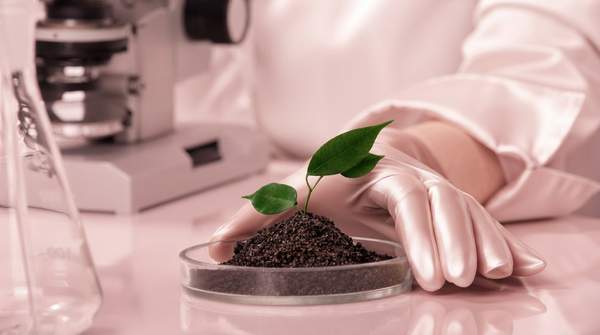
Researchers engineered Cutibacterium acnes to produce neutrophil gelatinase-associated lipocalin (NGAL), a protein that effectively reduced sebum production in laboratory tests, according to Nature. This transformation of a common skin bacterium into a therapeutic agent marks a significant shift. Instead of simply eradicating problematic microbes, we can now intelligently reprogram them for targeted treatment, fundamentally changing how we approach skin conditions.