At the 2026 In-Cosmetics Korea exhibition in Seoul, Hansol Paper, a company traditionally known for pulp and paper manufacturing, is showcasing 'Duracl,' a pine-derived natural thickener. This ingredient recently secured France's 'Eve Vegan' certification, marking a significant entry into the sustainable cosmetics market, according to Heraldcorp. Over 40% of shoppers prioritize natural components in their beauty and personal care product development.ts, signaling a clear consumer shift, reports CAS.
But: Consumer demand for natural beauty is surging, yet the advanced scientific innovation behind these new sustainable ingredients is often underestimated. Consumer preferences for makeup have declined, while those for skincare products have increased, partly due to the COVID-19 pandemic, notes PMC. This shift intensifies the market for effective, natural solutions.
The beauty industry is rapidly converging natural sourcing with scientific rigor, creating a 'cleanical' segment that will redefine efficacy and sustainability standards. The natural ingredients for cosmetics market is projected to expand from USD $642 million in 2022 to USD $1,095 million by 2030, according to CAS. This significant market expansion, fueled by evolving consumer priorities, shows the beauty industry's pivot towards natural and sustainable skincare solutions.
1. Fatty Acids
Best for: Restoring skin barrier function and deep moisturization.
Fatty acids are fundamental components in many natural skincare ingredients, contributing to skin nourishment. This category is projected to attain a Compound Annual Growth Rate (CAGR) of 5.5% between 2022 and 2030, according to CAS.
Strengths: Essential for skin health; significant market growth shows rising demand. | Limitations: Efficacy depends on specific type and formulation. | Price: Varies by source and purity.
2. Cocoa Butter
Best for: Intensive hydration and antioxidant protection.
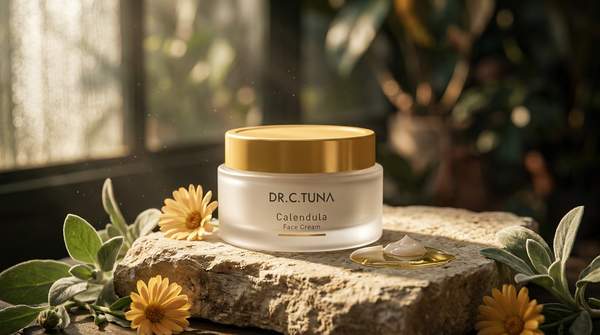
Cocoa butter is a nourishing, soothing ingredient rich in antioxidants known as polyphenols, which may help reduce inflammation and support skin elasticity. It contains a high concentration of fatty acids.
Strengths: Provides deep moisture; rich in protective antioxidants. | Limitations: Can be comedogenic for some skin types. | Price: Varies by grade.
3. Coconut Oil
Best for: Moisturizing dry skin and providing a protective barrier.
Coconut oil offers nourishing and soothing benefits, abundant in medium-chain fatty acids, especially lauric acid. Its status as a food-grade ingredient highlights a revolutionary approach to ingredient safety and naturalness.
Strengths: Highly moisturizing; natural antimicrobial properties. | Limitations: High comedogenic rating, unsuitable for acne-prone skin. | Price: Generally affordable.
4. Shea Butter
Best for: Soothing irritated skin and enhancing elasticity.
Shea butter is a nourishing and soothing ingredient packed with vitamins A, E, and F. As another food-grade component, it aligns with the 'beyond clean beauty' movement, emphasizing naturalness and safety.
Strengths: Rich in vitamins; excellent emollient properties. | Limitations: Can feel heavy on oily skin. | Price: Mid-range.
5. Hyaluronic Acid
Best for: Intense hydration and plumping fine lines.
Hyaluronic acid is a powerful humectant, capable of holding a thousand times its weight in water, according to Poven Skincare. Its exceptional moisturizing capability makes it a staple in skincare.
Strengths: Superior hydration; suitable for all skin types. | Limitations: Effect can be temporary without consistent use. | Price: Varies by concentration and formulation.
6. Ceramides
Best for: Strengthening the skin barrier and retaining moisture.
Ceramides act as part of the 'mortar' holding skin cells together, crucial for skin barrier function. One Japanese study showed an increase in skin moisture content of more than 100 percent with ceramide use, reports Poven Skincare.
Strengths: Repairs skin barrier; significantly boosts moisture retention. | Limitations: Can be costly to formulate effectively. | Price: Higher end.
7. Vitamin B3 (Niacinamide)
Best for: Reducing hyperpigmentation and improving skin tone.
Vitamin B3, known as niacinamide, significantly reduced pigmentation and age spots on the face after just 4 weeks of use, according to Poven Skincare. This natural vitamin offers powerful benefits for skin clarity.
Strengths: Reduces redness and hyperpigmentation; improves skin texture. | Limitations: Some individuals may experience flushing. | Price: Mid-range.
8. Vitamin C
Best for: Brightening skin and protecting against environmental damage.
Vitamin C helps skin repair UV damage and is extremely effective at reducing hyperpigmentation and evening skin tone, notes Poven Skincare. It serves as a potent natural antioxidant.
Strengths: Powerful antioxidant; brightens complexion; supports collagen production. | Limitations: Can be unstable and oxidize easily if not formulated correctly. | Price: Varies widely by stability and concentration.
9. Alpha-Hydroxy Acids (AHAs)
Best for: Exfoliation, improving texture, and reducing signs of aging.
Often derived from natural sources like fruits, Alpha-Hydroxy Acids (AHAs) are highly effective for exfoliation and skin renewal. They increase collagen production, help treat mild to moderate acne, target wrinkles and fine lines, and reduce hyperpigmentation, according to Poven Skincare.
Strengths: Exfoliates dead skin cells; promotes cell turnover; addresses multiple skin concerns. | Limitations: Can increase sun sensitivity; requires careful use. | Price: Mid-range to high.
10. Vitamin E
Best for: Antioxidant protection, hydration, and soothing skin.
Vitamin E is a family of oil-soluble antioxidants valued for its hydrating, healing, and anti-inflammatory properties. Its role in protecting and nourishing the skin makes it a consistent and important ingredient.
Strengths: Potent antioxidant; aids skin healing; anti-inflammatory. | Limitations: Can be heavy for oily skin. | Price: Generally affordable.
Introducing 'Cleanical' Innovation: Duracl
| Ingredient | Source | Key Feature | Certification | Industry Origin | Market Position |
|---|---|---|---|---|---|
| Duracl | Pine | Natural thickener & emulsifier | Eve Vegan (France) | Paper Manufacturing (Hansol Paper) | Cleanical Premium Material |
| Traditional Botanical Thickener (e.g. Xanthan Gum) | Bacterial Fermentation (sugar) | Natural thickener & stabilizer | Often Organic Certified | Specialty Chemical Supplier | Established Natural Ingredient |
| Synthetic Thickener (e.g. Carbomer) | Acrylic Acid Polymerization | Gelling agent & viscosity enhancer | None (synthetic) | Chemical Manufacturer | Conventional Thickener |
Hansol Paper has developed a pine-derived natural thickener called 'Duracl' for the cosmetics ingredients market, according to Heraldcorp. Duracl is the first product in the domestic paper industry to receive the French vegan certification 'Eve Vegan'. This ingredient is positioned to capitalize on the clean beauty trend and is described as a 'cleanical' premium material by Heraldcorp. The development of innovative, certified ingredients like Duracl from unexpected sectors signifies a new era where sustainability and scientific rigor converge in 'cleanical' beauty.
Bringing Innovation to Market
Hansol Paper is showcasing Duracl at the 2026 In-Cosmetics Korea exhibition, running July 1–3 at COEX in Seoul, Heraldcorp reports. This prominent display at a major industry event shows a clear future where sustainable, 'cleanical' ingredients are central to product development.
The introduction of such materials by non-traditional players challenges established cosmetic ingredient suppliers. It pushes them to innovate beyond conventional botanical extracts or risk falling behind. The market is increasingly valuing verifiable scientific performance alongside perceived naturalness.
The Future is Sustainable and Effective
The robust growth of specific natural ingredient segments, like fatty acids, highlights a targeted and expanding evolution within the sustainable beauty market. Fatty acids are expected to attain a Compound Annual Growth Rate (CAGR) of 5.5% between 2022 and 2030, according to CAS. This growth indicates a clear direction for product development.
Brands failing to integrate scientifically-backed, sustainably-sourced 'cleanical' components will miss out on a significant and growing consumer segment. This segment prioritizes both efficacy and environmental consciousness. The projected market expansion for natural cosmetic ingredients to over $1 billion by 2030, as reported by CAS, signals this shift.
Your Questions on Sustainable Skincare
What are the benefits of sustainable skincare ingredients?
Sustainable skincare ingredients offer multiple benefits, including reduced environmental impact and often enhanced skin efficacy. For example, Alpha-Hydroxy Acids (AHAs), frequently derived from natural sources, increase collagen production, help treat mild to moderate acne, target wrinkles and fine lines, and reduce hyperpigmentation, according to Poven Skincare. This demonstrates that eco-conscious choices can also deliver powerful, scientifically validated results for skin health.
How can consumers identify sustainable skincare ingredients?
Consumers can identify sustainable skincare ingredients by looking for specific certifications, such as 'Eve Vegan,' which Duracl received. Transparency in sourcing and manufacturing processes also indicates a brand's commitment to sustainability. Understanding the origin of ingredients, even from unexpected industrial players like paper companies, helps in recognizing truly innovative and eco-friendly components.
What are the most eco-friendly skincare ingredients beyond traditional botanicals?
Beyond traditional botanicals, some of the most eco-friendly ingredients are emerging from advanced industrial processes that utilize sustainable raw materials, such as pine-derived thickeners like Duracl. These innovations reduce reliance on less sustainable alternatives and often involve upcycling byproducts from other industries. Such 'cleanical' materials represent a significant step towards minimizing environmental footprint while maintaining high product performance.