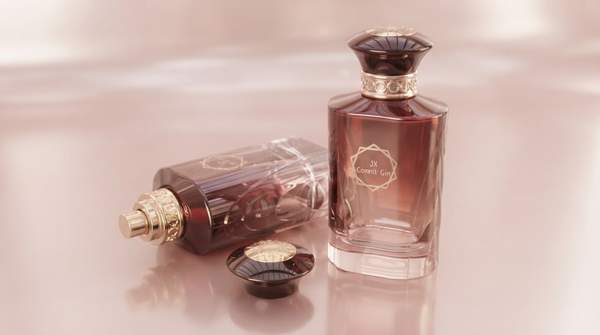
Scent layering works because fragrance is chemistry in motion: every perfume is built from molecules that evaporate at different rates, and the order in which you apply them determines whether your scent evolves gracefully over hours or collapses into a muddle within minutes. The rule that emerges from the science is simple—apply the heaviest, longest-lasting notes first and the lightest, most volatile ones last—so that each layer has a foundation to shine from.
The Art and Science of Scent Layering
I'll admit it: layering used to strike me as perfume overreach, a marketing excuse to sell two bottles instead of one. Then I understood the mechanism underneath it, and the whole practice snapped into focus. Perfumes are built on a structure of notes—top, middle, and base—that evaporate at different rates, as fragrance writer Tal Kashani explains. Layering works by combining fragrances whose note structures complement each other, creating what he calls a harmonious and evolving scent journey.
That structure is not an aesthetic convention invented to sell gift sets. It is a physical fact about how fragrance molecules behave on warm skin, and it is why layering can genuinely produce a scent that shifts character over the course of a day rather than simply fading into nothing. Jordana Fortaleza, writing for The Lyfestyle Co., frames layering as painting an olfactory portrait—crafting a scent that evolves throughout the day, whether you want to enhance a fragrance you already love or experiment with something entirely new. The artistry is real, but it rides entirely on the science.
Understanding the Fragrance Pyramid: Notes and Volatility
Perfumers describe a finished fragrance as a pyramid of three tiers, and each tier is defined not by how it smells but by how quickly its molecules leave the skin. Engineers who analyze perfume performance use two key parameters, according to Illumin Magazine at the USC Viterbi School of Engineering: "impact," the immediate olfactory sensation and a measure of the perfume's intensity immediately after application, and "tenacity," the fragrance's ability to retain its characteristic odor long after application, during what perfumers call the dry-down stage.
Map those parameters onto the pyramid and its logic appears. Top notes—typically citrus and herbs—are the lightest and most volatile compounds. They are perceived immediately and last only a few minutes; they are the bright opening you notice when sniffing a perfume from a blotter or right after applying it to the skin. Heart notes, usually florals and spices, are less volatile than top notes; they emerge as the initial notes fade and carry the fragrance's character. Base notes—woods, musks, and resins—are the heaviest and least volatile, evaporating slowly and providing depth and longevity. The pyramid, in other words, is a volatility map, and every layering decision flows from it.