Red carpet styling has evolved through three distinct phases: an era of studio-controlled classic elegance, a commercial era driven by stylists and brand partnerships, and today's digitally amplified platform where outfits function as strategic statements about identity, commerce, and culture. Understanding that progression is the key to reading any contemporary red carpet look, because what a celebrity wears now is rarely just a dress.
From Glamour to Statement: The Red Carpet's Evolving Role
I find the red carpet one of the most underrated cultural documents we have. As fashion commentator Catherine Kallon observes, red carpet fashion "has evolved dramatically, reflecting changes in society, culture, and the fashion industry itself" — and the story it tells runs from the classic elegance of old Hollywood to the bold, boundary-pushing styles of the present. This is not merely a matter of hemlines and silhouettes changing with the seasons. It is a record of who controlled a star's image, who profited from it, and what audiences were invited to believe a famous person's clothes were for.
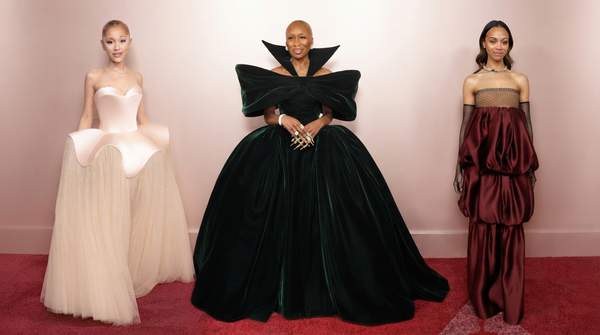
Vogue's Janelle Okwodu makes the stakes plain: for decades, stars have turned awards shows, premieres, and film festivals into "mini-fashion shows," leveraging outfits into headline-making moments that are inseparable from their cultural impact. The ability to influence trends has become nearly as important to a star's standing as the reception of their actual work. This article focuses on Hollywood red carpets at major awards shows and film festivals, and it draws on published fashion commentary rather than interviews with the stylists and celebrities themselves. The aim is not to catalogue every famous look, but to build a framework — one you can actually use to decode what you see.
Era 1: Classic Elegance and Studio Control (Old Hollywood)
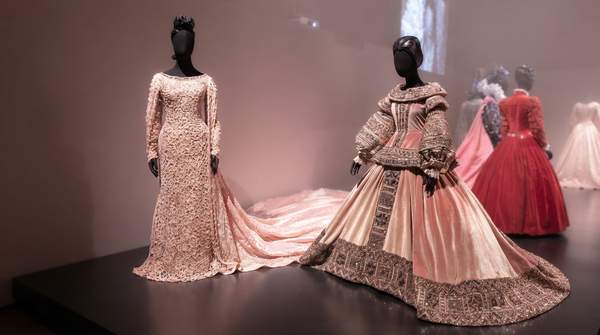
The first phase of red carpet fashion was defined by restraint — but not by choice. In the studio-system era, a star's appearance was largely dictated from above. Style guidance came through studio contracts and the hands of costume designers, whose job was to project a controlled image of glamour and sophistication. The dominant philosophy was classic beauty and adherence to established fashion norms: elegant, often conservative gowns, cohesive hair and makeup, and carefully chosen accessories.
What matters here is the power structure, not just the aesthetic. The star was the canvas; the studio was the author. A red carpet appearance in this era communicated one thing — that the celebrity belonged to a world of aspirational, studio-approved polish. Whatever personal eccentricity a performer possessed was smoothed out of the public image before it ever reached the photographers. That formula produced genuine elegance, but it was an elegance with a corporate signature on it.