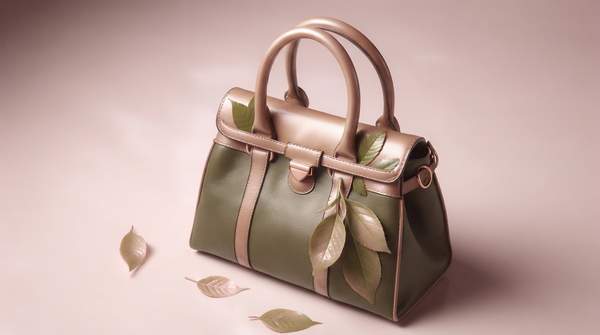
Luxury handbags are entering a new material era, and the differences between the leading innovations matter. Three distinct approaches now define the frontier: leather grown from fungi, bags built from plant-derived inputs such as grain protein, and accessories made from rescued or upcycled materials that would otherwise be discarded. Hermès and Stella McCartney have been reported to embrace a fungal leather alternative developed with MycoWorks; German designer Melina Bucher spent years building an entirely bio-based, vegan handbag; and the Italian brand Sieme transforms excess leather from manufacturers into new luxury goods. Understanding what each material actually is—and where each approach stops short of full sustainability—is the key to reading the market accurately.
The Rise of Sustainable Luxury Handbags
The sector's shift is driven by a recognition that conventional options carry real costs. Traditional animal leather and plastic-based vegan alternatives such as PU and PVC each raise environmental concerns, and industry commentary now frames modern sustainable handbags as being "no longer just about compromise—they're about innovation." Reporting on the space describes bags made from recycled fabrics, organic leather alternatives, and responsibly sourced materials as reducing waste and lowering carbon footprints, while brands focused on sustainability are said to prioritize fair labor practices, transparent supply chains, and long-term durability.
What distinguishes the current wave from earlier "vegan leather" marketing is the origin of the material itself. Rather than coating textiles in petroleum-derived plastics, designers and material scientists are growing leather-like sheets from fungal networks, formulating plant-based substitutes, and reclaiming surplus material from existing production lines. Each route has different implications for biodegradability, manufacturing, and waste diversion.
Mycelium: Leather Grown from Fungi
Mycelium leather is produced by cultivating the threadlike network of fungi into a material that can be finished like animal hide. It is presented in industry reporting as a biodegradable leather alternative, which is precisely what has attracted luxury houses. According to reporting by Trellis, Hermès and Stella McCartney have embraced this fungal alternative through work with MycoWorks, whose Reishi material has already appeared in products such as Ligne Roset's Kobold Sofa.
The commercial story is still maturing. MycoWorks, based in Green Island, New York, has raised a total of $120 million and completed a three-year collaboration with Fashion for Good exploring how its Forager material could function in products created by Bestseller, PVH Corp., and others. As a company representative explained, that pilot "helped us better understand the practical challenges of scaling mycelium leather," providing feedback from real brand use cases on "how the material performs, how it fits into existing processes and where the friction points are." In other words, even the most celebrated bio-based material is still being tested against the realities of industrial production.