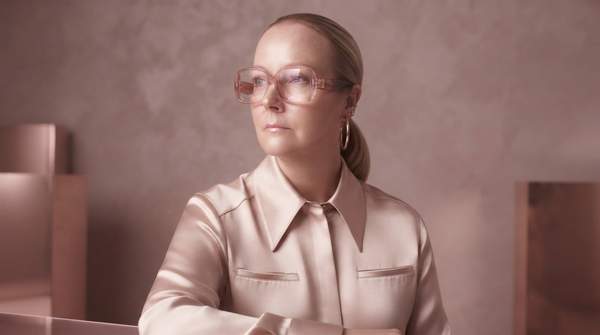
At 119 Spring Street in SoHo, the UK's online-first makeup sensation Lisa Eldridge has opened its first U.S. physical store: a temporary pop-up testing American brick-and-mortar. Launched in 2018, the brand's strategic move marks its initial foray into U.S. physical retail, according to WWD, signaling an intent to expand global reach beyond its established online presence.
Lisa Eldridge built a global brand entirely online, yet now invests in a temporary physical space to expand its U.S. footprint. This tension reveals a critical challenge for successful digital-native brands in competitive markets.
Other digitally native beauty brands are likely to follow suit with similar agile, experiential retail strategies to capture new market segments and deepen brand loyalty. This evolution necessitates adaptation for online-first entities seeking sustained growth.
What to Expect at the SoHo Pop-Up
The pop-up, located at 119 Spring Street, opened in early summer and will operate through the end of the season, according to WWD. This prime location was selected to maximize brand visibility and engage with a trend-conscious clientele, according to Lisa Eldridge's official site. The store features products ranging from skin tints and refillable lipsticks to a limited-edition Marilyn Monroe collection. This curated offering in a high-traffic, temporary location suggests a test-and-learn approach, designed to gauge consumer interest and gather direct feedback in the U.S. market.
Why a Pop-Up, Why Now?
The limitations of digital-only growth are evident in Lisa Eldridge's strategic choice to launch its first U.S. presence as a temporary SoHo pop-up. For a brand built entirely online, this move acknowledges the enduring power of physical retail for market penetration in luxury beauty. This investment confirms the increasing saturation of the digital beauty market and affirms the enduring value of tactile experience and immediate gratification for high-end cosmetics. A temporary physical presence allows Lisa Eldridge to test market demand and gather invaluable direct consumer feedback without the long-term commitment of a permanent store.