The Glossy Times

What Are Retinoids and Hyaluronic Acid Skincare Benefits?

A quarter-teaspoon of hyaluronic acid can bind approximately one and a half gallons of water, an extraordinary capacity for moisture retention.

PS
Priya Sharma

June 4, 2026 · 4 min read

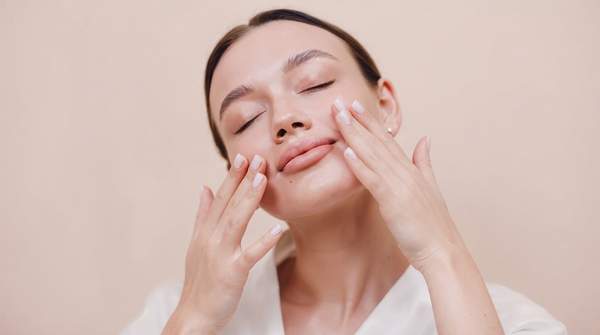
Split image comparing the hydrating plumping effect of hyaluronic acid with the line-reducing refinement of retinoids on healthy skin.

A quarter-teaspoon of hyaluronic acid can bind approximately one and a half gallons of water, an extraordinary capacity for moisture retention. This powerful humectant draws hydration into the skin, offering immediate plumping and temporarily diminishing fine lines.

This immediate cosmetic appeal, however, contrasts sharply with the intensive, cellular-level anti-aging and therapeutic effects of retinoids. While hyaluronic acid offers gentle hydration, retinoids initiate deeper biological transformations, often demanding a higher commitment from users due to their potency.

Therefore, a nuanced approach leveraging the distinct strengths of both hyaluronic acid and retinoids is crucial for comprehensive and sustainable skin health.

A 2023 review in Benefits of Topical Hyaluronic Acid for Skin Quality and Signs of Aging - PMC confirmed HA's safety and effectiveness in both improving skin hydration and reducing visible signs of aging, solidifying its broad appeal. Hyaluronic acid's utility extends beyond cosmetics. Intraarticular HA injections are widely used for pain relief in knee osteoarthritis, as detailed by Hyaluronic Acid - StatPearls - NCBI Bookshelf. HA's dual role, from immediate cosmetic plumping to significant medical pain relief, demonstrates its fundamental biological importance, often overshadowed by its popular skincare image.

Retinoids: The Gold Standard for Cellular Transformation

In 1984, Vitamin A became the first vitamin approved by the Food and Drug Administration as an anti-wrinkle agent, according to Retinoids in the Treatment of Skin Aging: An Overview of Clinical Efficacy and Safety - PMC. This established retinoids as a potent class capable of inducing cellular changes that improve skin appearance. Since then, various natural and synthetic retinoids have consistently shown histological and clinical improvements in treating skin aging.

Retinoids' utility extends beyond cosmetic anti-aging. They treat severe dermatological conditions like papulosquamous dermatoses and cutaneous T-cell lymphoma, as detailed in a 1988 review from Adverse effects of retinoids - PubMed. Isotretinoin, for example, treats nodulocystic acne, while etretinate targets psoriasis vulgaris. These varied applications confirm retinoids as a cornerstone in both anti-aging and dermatological treatment. Despite newer, gentler options, the FDA's early endorsement implies that deep cellular rejuvenation still often requires retinoids' potent, sometimes challenging, intervention.

The Precision of Retinoid Action: Targeting Cellular Pathways

Modern retinoid research targets specific molecular mechanisms, exemplified by trifarotene. This retinoid is highly selective for the RAR-γ receptor, according to JDD Online. Different retinoic acid receptors (RAR-α, -β, -γ) are expressed in various skin cells, mediating distinct biological responses. Trifarotene demonstrates a 65-fold affinity for RAR-γ over RAR-α, and a 16-fold affinity over RAR-β, showcasing its precise action.

This targeted approach yields specific therapeutic outcomes with fewer off-target effects. Bioinformatic data indicates trifarotene significantly modulates 67 genes not observed in spontaneously resolving acne lesions, according to JDD Online. This molecular precision allows for highly targeted therapeutic effects, minimizing side effects while maximizing efficacy for specific dermatological conditions. The selective targeting by newer retinoids like trifarotene points to a future where treatments move to precise, gene-level modulation, promising more tailored therapies for complex skin conditions and even cancer prevention, as noted by Adverse effects of retinoids - PubMed.

Complementary Power: HA and Retinoids Together

While retinoids deliver profound cellular transformation, their potency can sometimes lead to initial dryness or irritation. This is where hyaluronic acid plays a crucial complementary role. By providing intense surface hydration, HA can help support the skin's barrier function, potentially mitigating some of the common side effects associated with retinoid use.

Integrating hyaluronic acid with retinoids addresses both immediate hydration and long-term cellular rejuvenation. HA's rapid, superficial plumping offers immediate gratification, contrasting with the slower, profound cellular restructuring retinoids initiate. This combination mitigates potential irritation from retinoids, enhancing overall anti-aging and skin health outcomes.

Navigating Your Skincare Journey with Actives

Understanding the distinct mechanisms of skincare actives empowers informed decisions. Hyaluronic acid offers broad hydration and visible anti-aging benefits, suitable for daily use and immediate plumping. Its established safety extends to medical applications like osteoarthritis pain relief.

Retinoids, recognized by the FDA as the first anti-wrinkle agents, represent a powerful, long-term investment for cellular anti-aging and therapeutic skin transformation. Their potent effects on gene pathways, exemplified by trifarotene, demand a gradual introduction to minimize irritation. Recognizing the distinct roles and synergies of these actives empowers individuals to tailor their regimen for maximum benefit and safety.

Common Questions About Skincare Actives

What are the best skincare actives for anti-aging?

For anti-aging, retinoids remain a gold standard due to their ability to promote cellular turnover and collagen production. However, other actives like Vitamin C, known for its antioxidant properties, also play a crucial role in protecting skin from environmental damage and brightening complexion. Peptides can also support skin structure by signaling cells to produce more collagen and elastin.

How do retinoids work for acne?

Retinoids primarily work for acne by normalizing follicular keratinization, which means they help to prevent dead skin cells from clogging pores. They also reduce inflammation and decrease oil production. This multi-pronged approach helps to clear existing breakouts and prevent new ones from forming.

What is the difference between Vitamin C and Hyaluronic Acid?

Vitamin C is an antioxidant that brightens skin, reduces hyperpigmentation, and protects against free radical damage, stimulating collagen synthesis. Hyaluronic acid, on the other hand, is a humectant focused on hydration, drawing moisture into the skin to plump and reduce the appearance of fine lines without directly influencing collagen production or acting as an antioxidant.

The continued evolution of retinoid science, coupled with hyaluronic acid's foundational hydrating capabilities, suggests that future skincare regimens will likely become even more personalized, precisely targeting individual skin concerns for optimal health and aesthetic outcomes.