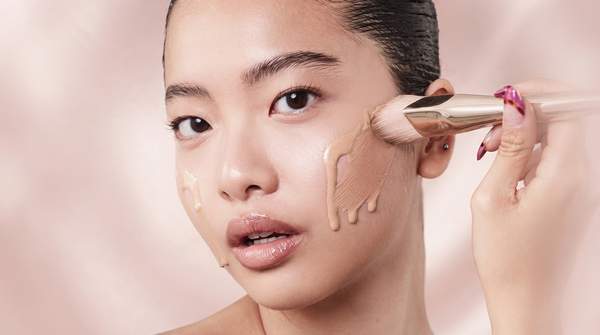
L'Oréal will launch a foundation in September 2025 that requires a smartphone skin scan to custom-blend a shade and formula on demand, a process unimaginable just two years ago, according to BeautyTech Insights. L'Oréal's September 2025 foundation launch highlights a rapid innovation cycle. Estée Lauder's Q3 2025 earnings call revealed a 40% increase in R&D spending on AI and biotech for upcoming product lines. Estée Lauder's Q3 2025 earnings call revealed a 40% increase in R&D spending on AI and biotech for upcoming product lines, marking a significant industry pivot, according to Estée Lauder Investor Relations. Sephora's internal data shows a 150% surge in consumer interest for 'personalized skincare' search terms in early 2025, anticipating these launches, according to Sephora Trend Report.
Yet, consumers crave transparency and natural ingredients, while these most anticipated early-fall 2025 beauty launches rely heavily on proprietary AI algorithms and synthetic biotech compounds. The reliance of early-fall 2025 beauty launches on proprietary AI algorithms and synthetic biotech compounds, despite consumers craving transparency and natural ingredients, reveals a significant misalignment between stated consumer values and major brands' innovation trajectory. L'Oréal, by embedding smartphone-driven AI personalization into core products like its custom-blend foundation, does more than sell cosmetics. It establishes a new data-driven relationship with consumers. L'Oréal's establishment of a new data-driven relationship with consumers redefines competitive advantage, posing a challenge for traditional brands without substantial tech investment.
Aggressive investment and marketing confirm the beauty industry's accelerated pivot towards hyper-personalized, tech-integrated products. The beauty industry's accelerated pivot towards hyper-personalized, tech-integrated products, confirmed by aggressive investment and marketing, will likely segment the market between early adopters and those seeking traditional simplicity. The industry's focus on proprietary AI and synthetic biotech, seen in these 2025 launches, risks alienating consumers who prioritize ingredient transparency and natural sourcing. which could polarize the beauty market, with 'tech-first' and 'nature-first' brands competing for distinct bases.
The Rise of the 'Smart Beauty' Ecosystem
- Over 60% of consumers aged 18-34 express interest in beauty products tailored to their individual needs, according to Nielsen Consumer Survey, Q1 2025.
- The global personalized beauty market is projected to reach $58 billion by 2027, up from $25 billion in 2023, according to Grand View Research.
- Several indie brands have already seen success with limited-edition custom serum programs, demonstrating market appetite, according to Indie Beauty Collective Report.
- Patents filed for AI-driven cosmetic formulation increased by 200% between 2022 and 2024, according to IP Analytics Group.
These figures show the groundwork for hyper-personalized beauty has been laid by evolving consumer demands and technological advancements. The groundwork for hyper-personalized beauty, laid by evolving consumer demands and technological advancements, creates fertile ground for major fall launches to capitalize on established interest.
Biotech Breakthroughs and AI-Powered Formulations Take Center Stage
Shiseido introduces a new anti-aging serum in October 2025, featuring a proprietary 'bio-fermented peptide' developed using CRISPR technology, according to Shiseido R&D Announcement. Shiseido's introduction of a new anti-aging serum in October 2025, featuring a proprietary 'bio-fermented peptide' developed using CRISPR technology, deepens the integration of advanced biological science into cosmetic development. Dior's upcoming fall skincare line incorporates a new AI-powered diagnostic tool. It recommends specific product combinations based on environmental factors and skin condition, moving beyond simple product recommendations, according to Dior Beauty Press Release.
A startup, 'SkinGenius,' secured $50M in Series B funding for its at-home DNA skin analysis kit, which pairs with major brand products, according to TechCrunch. The $50M Series B funding secured by 'SkinGenius' for its at-home DNA skin analysis kit underscores confidence in highly individualized solutions. The average price point for these new 'smart beauty' products is 30-50% higher than traditional premium offerings, according to Beauty Industry Analyst Report, Q2 2025. The average price point for these new 'smart beauty' products, 30-50% higher than traditional premium offerings, represents a shift, leveraging cutting-edge science and data to promise unprecedented efficacy and customization, rather than incremental improvements.
Why Now? The Forces Driving This Beauty Revolution
Post-pandemic, consumers are more health-conscious and willing to invest in preventative and tailored wellness solutions, including beauty, according to Global Wellness Institute. Post-pandemic consumers' increased health-consciousness and willingness to invest in preventative and tailored wellness solutions, including beauty, fuels demand for advanced solutions. The rise of social media and influencer culture has amplified demand for visible, personalized results, pushing brands to innovate, according to Social Media Trends Report 2025. The rise of social media and influencer culture, which has amplified demand for visible, personalized results and pushed brands to innovate, creates a feedback loop for rapid product development.
Supply chain disruptions in recent years have incentivized brands to explore localized, on-demand manufacturing models, which pair well with personalization, according to Supply Chain Quarterly. and offer a practical pathway for custom production. Big tech companies are increasingly partnering with beauty brands, providing AI infrastructure and data analytics capabilities, according to Forbes Tech & Beauty. The increasing partnerships between big tech companies and beauty brands, providing AI infrastructure and data analytics capabilities, along with technological maturity and shifting consumer values, create a perfect storm for 'smart beauty.'
The Future Landscape: Consolidation, Data, and Ethical Debates
Industry experts predict a wave of acquisitions as larger conglomerates seek to integrate specialized biotech and AI startups, according to Beauty M&A Outlook 2025. A wave of acquisitions, predicted by industry experts as larger conglomerates seek to integrate specialized biotech and AI startups, will consolidate technological expertise within major players. Concerns about data privacy related to personal skin scans and DNA analysis will intensify, prompting calls for new regulations, according to Consumer Privacy Advocates. and introducing new ethical challenges for brands.
The market may see a growing divide between 'high-tech, high-cost' personalized beauty and a resurgence of 'clean, simple, affordable' alternatives, according to Euromonitor International. pointing to a polarized consumer base. New job roles, such as 'Beauty Data Scientist' and 'Bio-Cosmetic Engineer,' are emerging rapidly within major beauty companies, according to LinkedIn Workforce Report. The trajectory points towards a more technologically sophisticated, yet potentially ethically complex and segmented, beauty market in the coming years.
Your Guide to Navigating Early-Fall 2025's Smart Beauty Launches
How do I know if personalized beauty is right for me?
Consider your budget, willingness to share data, and specific skin concerns, according to Dermatology Today. Considering your budget, willingness to share data, and specific skin concerns helps determine if the investment and data exchange align with your personal values and needs.
Are these new biotech ingredients safe?
Most undergo rigorous testing, but always check for third-party certifications and ingredient transparency, according to FDA Beauty Guidelines. Consumers should seek clear information regarding the origin and safety protocols for novel compounds.
Will traditional beauty products disappear?
Traditional products are unlikely to disappear, but their market share and innovation focus may shift, according to Beauty Industry Council. They will likely continue to cater to consumers preferring simpler, less data-intensive routines.