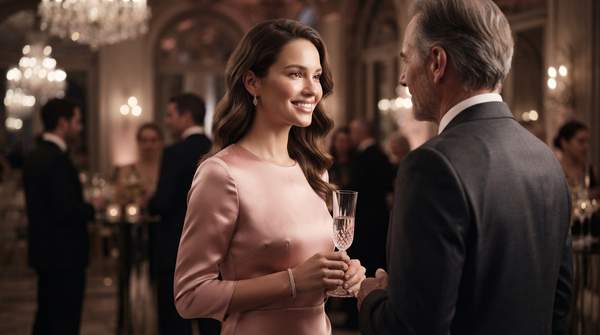
Luxury purchases are rarely about the object. They are about what the object does for the self: signaling distinction, securing belonging, and delivering an emotional experience. Brands know this, and they build their marketing around three psychological triggers—scarcity, social proof, and emotional validation—that work largely below the level of conscious reasoning. Understanding them is useful whether you sell luxury, study it, or simply want to know why a handbag suddenly feels necessary.
The Allure of Luxury: More Than Just a Price Tag
Ask consumers what separates luxury from mainstream products and they will recite a familiar list: unique design, great quality, high cost, and limited distribution. Consumer psychologist Peter Noel Murray, writing in Psychology Today, notes that these are the characteristics people name—but they are not the same as the reasons people buy. The appeal of luxury, he argues, is primarily psychological, and emotion sits at its center.
This gap between what consumers can list and what actually moves them is the whole game. Marketing analysis from EHL Insights describes scarcity and exclusivity as deliberate strategies that transform physical goods into cultural symbols, exploiting triggers like loss aversion and social identity to inflate perceived value. The most durable brands, that analysis adds, pair genuine craftsmanship with curated access rather than manufactured shortage alone. The product matters; the psychology makes it sell.
Scarcity and Exclusivity: Engineering Desire
Scarcity is the most visible trigger, and it works through a simple mechanism: restricting access generates a desire that open availability never could. Waitlists, private viewings, and invitation-only events are not logistical necessities—they are desire machines. The EHL analysis traces the effect to the Veblen effect and loss aversion: the fear of missing out, not the inherent value of the item, creates urgency that can override rational cost-benefit thinking.
Research by Sumaiya Sarrat of the College of Wooster, documented in 2025, distinguishes two complementary effects. Scarcity cues drive immediate demand by increasing perceived value and competitive urgency, while exclusivity cues sustain desirability by fostering aspirational consumer identities. In other words, the waitlist gets you to act this week; the identity gets you to keep wanting it for years. Brands engineer both simultaneously through limited editions, curated distribution, private client events, and tightly controlled retail environments—and the same psychology applies to the experience of shopping, not just the product.
The Power of Social Proof: Belonging to the Elite
We are social creatures, and luxury purchases are partly bids for membership. Consumers are influenced by the actions and preferences of others, especially aspirational groups, because buying the right item signals belonging to a desired circle. This fulfills a psychological need for social identity and group belonging—an implicit driver that rarely appears in anyone's stated reasons for buying.
What makes social proof interesting in luxury is how unconventional it can look. Marketing analysis from Matter Of Form points to Daniel Lee's era at Bottega Veneta, when the brand deleted its social media accounts entirely—and the fashion world reposted its work endlessly. Absence became presence; perception became power. The lesson for practitioners: overt advertising is optional, but visible endorsement by the right community is not. An "it" item endorsed by tastemakers does the persuading that a billboard cannot.
Emotional Validation: The Story Behind the Purchase
The third trigger is the deepest. Murray's research focus is on how emotions related to "self" and brand "truth" create perceptions of luxury. His conclusion is blunt: evidence suggests purchase decisions for luxury products are overwhelmingly emotional, and buying behavior follows directly from how a consumer perceives a brand delivers the emotional end-benefits of owning it. Emotional appeal often precedes rational justification—we are drawn first, then decide whether the exceptional qualities are worth the premium over a "good enough" mass-market alternative.
Brands cultivate this through narrative. The Matter Of Form analysis describes campaigns that link a brand to exploration, craftsmanship, and time—not selling, but inviting the buyer into "a philosophy." Heritage storytelling, craftsmanship narratives, and even sensory details like tactile packaging deepen the emotional connection before any transaction occurs. The strategy is not to sell a product but to make the consumer feel something, and let the feeling do the closing.
The Unconscious Drivers: Stated vs. Implicit Motivations
Here is the uncomfortable part: consumers often cannot accurately report why they bought. A peer-reviewed EEG study on consumers' implicit motivations for purchasing luxury brands, published in PMC, identifies two failure modes in self-reporting. First, responses can be distorted by self-deception and social desirability bias—people present socially acceptable justifications. Second, consumers are sometimes simply unable to articulate why they exhibit a behavior, or are unaware of their own thoughts and feelings.
That is why the study's authors argue neural measurement matters: brain responses offer a window into implicit motivations and can complement or explain self-reported results. The practical implication is striking. When a buyer says "the craftsmanship," the measurable drivers may be status signaling and group belonging. The stated reason is not a lie—it is a post-hoc translation of a decision the brain has already made emotionally.
The Luxury Consumer Psychology Model
The framework below maps the three triggers to the tactics that activate them and the perceptions they produce. Use it to deconstruct any luxury campaign—or your own wishlist—into its psychological components.
| Psychological Trigger | Common Brand Tactic | Resulting Consumer Perception |
|---|---|---|
| Scarcity / Exclusivity | Waitlists, limited editions, invitation-only events, curated distribution | Urgency driven by fear of missing out rather than inherent value; the item feels more desirable and exclusive, signaling distinction and belonging to a desired group |
| Social Proof | Influencer presence, cultivated "it" item status—sometimes through unconventional moves like deleting social media accounts | Purchasing signals membership in an elite group and validates social standing—an implicit driver distinct from stated reasons like quality |
| Emotional Validation | Heritage storytelling, craftsmanship narratives, a "philosophy" of belonging, sensory experience | The brand feels emotionally true; the purchase delivers self-expression and aspiration, with emotional appeal preceding rational justification |
Read the table as a sequence, not just a list. Scarcity creates urgency; social proof tells you the urgency is socially rewarded; emotional validation supplies the story that makes the purchase feel like self-expression rather than acquisition. A single campaign rarely uses one trigger in isolation—the strongest brands fire all three at once, which is precisely why the effect feels like genuine desire rather than marketing.
Navigating the Psychology of Luxury: Informed Decisions
Consumers can make more informed purchasing decisions by recognizing the implicit psychological triggers luxury brands employ. The measurable test is a consumer's ability to articulate the underlying emotional or social drivers of a luxury purchase, beyond stated reasons like quality or craftsmanship. Before your next significant luxury purchase, ask: is this the craftsmanship, or is it the waitlist, the circle I want to join, and the story I want to tell about myself? Naming the trigger does not kill the desire—but it converts an unconscious impulse into a conscious choice. This article explains psychology, not finances; it offers no product recommendations, and its examples come from fashion, watches, and jewelry rather than the counterfeit market.