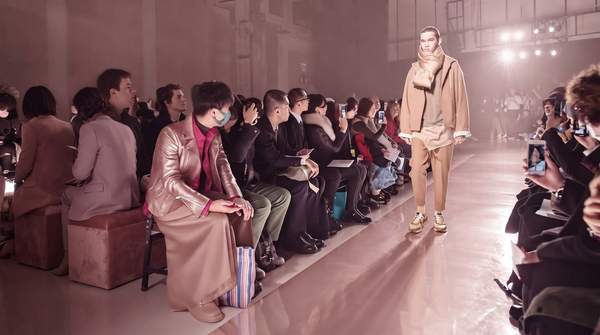
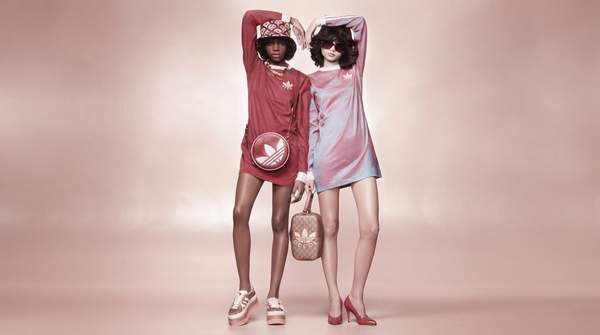
Last year, a small Helsinki-based label, known for its use of recycled fish leather, saw its sales to luxury boutiques in Paris and New York jump by 300%. This wasn't just a win for one brand; a quiet revolution proved Finnish fashion is making a global impact. Helsinki Fashion Week attendance by international buyers also increased by 40% in 2023, according to a Fashion Business Journal report from that year.
For too long, Considered Finnish fashion purely functional, strictly minimalist. But that narrative is fading. It's now emerging as a significant global force for experimental, culturally rich design, directly challenging the dominance of traditional luxury houses.
Finnish designers appear poised to further solidify their influence and redefine Nordic aesthetics on the world stage. Marimekko's Q3 2023 international sales grew by 15%, driven by new collaborations, according to Marimekko Investor Relations. Clearly, global buyers are hungry for unique, sustainable, and culturally rooted designs. Even Vogue Runway featured three emerging Finnish designers in its 'Ones to Watch' list for 2024.
1. Rolf Ekroth: Upcycled Denim's Global Reach
Best for: The conscious consumer seeking innovative streetwear.
Rolf Ekroth's upcycled denim collections, highlighted at Pitti Uomo, attracted buyers from 15 new markets, according to a Pitti Uomo Report from an earlier year. This isn't just about denim; it's about reinventing classics with a sustainable edge, proving ethical choices can still scream high fashion.
Strengths: Strong ethical sourcing; unique material repurposing; international buyer appeal | Limitations: Limited production runs; premium pricing | Price: High-end contemporary.
2. Finnish Forest Folk: Nature's Narrative
Best for: Those drawn to authentic, nature-inspired storytelling.
The 'Finnish Forest Folk' aesthetic, featuring natural materials and folklore motifs, saw a 25% rise in Pinterest searches globally, according to Pinterest Trends data from 2023. Ancient Finnish folklore and natural elements are directly interpreted by this trend, making its perceived novelty a rediscovery of deep cultural roots.