If you want to understand how fashion actually evolves, I can think of no better object lesson than the opera coat. Four distinct silhouettes—the 19th-century original, Paul Poiret's kimono-inspired reinterpretation, the 1920s Art Deco wrap, and today's Chinese-influenced brocade coats—each capture a precise cultural moment. Trace them in order and you trace a century of shifting ideas about women, luxury, and who gets credit for a beautiful garment.
The Grand Entrance: Origins of the 19th-Century Opera Coat
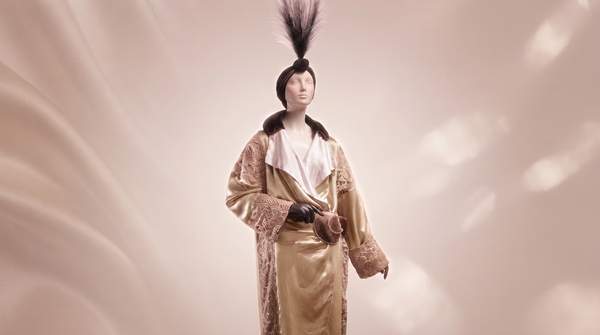
The opera coat was, quite literally, born in the cloakroom. As fashion historian writing for MADAME ARABIA recounts, the garment originated in the 19th century as a practical solution with theatrical ambitions: it was designed to protect delicate evening gowns from the cold while making a statement in luxurious velvet, silk, and fur. That dual purpose—protection and performance—is, I'd argue, the key to everything that followed.
What makes the original silhouette distinctive is its relationship to the formal attire beneath it. This was a coat designed to be worn over evening gowns, which meant it had to be generous, dramatic, and easy to shed at the moment of arrival. More than a practical layer, it signalled status and brought a sense of theatre to formal dressing. The opera coat was never about warmth alone; it was about the entrance.
I find this origin story telling. The garment began as a symbol of evening elegance, and that association with occasion and spectacle has never fully left it. Every later designer who touched the opera coat worked within that inherited vocabulary of drama—even when, as we'll see, they radically changed the body it was meant to cover.
Paul Poiret's Eastern Influence: The Kimono-Inspired Silhouette
The first great rupture came in the early 20th century, when couturier Paul Poiret reimagined the silhouette through fluid, kimono-inspired shapes and sumptuous fabrics. Where the 19th-century coat wrapped around a corseted body, Poiret's version let the fabric itself do the talking—loose, flowing volumes that transformed the opera coat from a status wrapper into a genuine design statement.
The sumptuous fabrics deserve emphasis, because they were doing new work here. In the earlier era, luxurious materials signalled wealth; under Poiret, they created a luxurious feel that was inseparable from the garment's new fluid cut. The coat stopped being an accessory to a gown and became a sculptural object in its own right.
The kimono influence is the crucial cultural marker. Poiret was drawing on Japanese garment traditions at a moment when Western couture was absorbing Eastern forms, and the opera coat became one of the canvases for that exchange. I'd call this the moment the opera coat stopped being merely formal and became modern—its shape now carried an argument about how clothes could relate to the body.
Theatricality, notably, survived the transformation. Decades later, John Galliano revived that spirit for Dior's Spring 1998 couture collection, staged at Paris's Opéra Garnier—a fitting venue for a garment that began in opera houses. The evidence gives us no further design details on that 1998 revival, so I'll resist inventing any; its significance here is as proof that the coat's dramatic DNA remained intact.
The Roaring Twenties: Art Deco and the 'Modern Girl'
My favorite chapter in this history is the 1920s, because here we can see the construction details with unusual clarity. The Toronto Metropolitan University Fashion Research Collection holds a brocade opera coat from circa 1920s (FRC2017.05.003), and its analysis of the garment is precise: the coat is an example of the Art Deco movement, with a very loose fit and a bias cut. The sleeves flow off the shoulders and grow large and wide at the cuffs, the silhouette falls straight to the knees, and a seam runs along the coat where the hips would be—a drop-waist that emphasizes the straight cut and loose fit.
Read that construction list again, because every element is a small manifesto. A bias cut. Wide, flowing sleeves. A straight, knee-length line. Nothing about this coat constrains the body. And that matters enormously when you remember what came before: the corsets and tight silhouettes of prior decades, which the Fashion Research Collection's research situates the 1920s coat against. The loose, straight fit reflected a new sense of freedom and independence for women.
This is where the "Modern Girl" archetype enters. The research collection connects the coat to feminism and to this emerging image of the modern woman—one who moved, worked, and occupied public space differently than her corseted predecessors. A coat you could actually move in, cut to fall straight without molding the body, was not an aesthetic accident. It was a wearable expression of changed social circumstances.
I'd push the interpretation one step further: the Art Deco label is doing real work here too. The brocade, the geometric emphasis of the drop-waist seam, the clean vertical line—all of it aligns the coat with the decorative-arts movement of its decade. The 1920s opera coat is the rare garment where you can read a social history and a design history in the same set of seams.
Contemporary Revival: Chinese Influences and Cultural Dialogue
Which brings us to now, and to the trend that gives this history its most current edge. Opera coats are enjoying a revival with distinctly Chinese design influences—brocade coats with fur trim, embroidered silk, and details drawn from Chinese garment traditions. But the most interesting part of the contemporary story isn't the clothes themselves; it's the conversation about how we name them.
Writing in ELLE, Dale Arden Chong reports on a frustration shared by designer Shui, who has watched the trend go viral without its origins going along for the ride. "I've seen so many 'trending winter coat' videos featuring Chinese brocade coats with fur trim and traditional Chinese embroidered silk coats, but they don't make any reference to their Chinese origins," Shui says. "Instead of using terms like 'qipao' or 'mandarin collar,' creators will often describe these details generically as a 'stand collar' or 'high neckline.' It's important to acknowledge where these design elements come from and the history behind them—why erase the cultural context?"
I think that question is the right one, and it marks a genuine evolution in how fashion treats its borrowings. Poiret's generation absorbed Eastern shapes with little ceremony; today's designers and commentators are actively debating attribution. The contemporary silhouette may echo the drama of the 19th-century original, but the cultural framework around it has matured—and that, to me, is the most meaningful difference.
Evolution of the Opera Coat: A Comparative Timeline
Here is the full arc at a glance. Compare the four silhouettes across era, construction, materials, and cultural context, and the pattern becomes impossible to miss: each coat is a document of its moment.
| Silhouette | Era / Influence | Key Design Elements | Common Materials | Cultural Context |
|---|---|---|---|---|
| 19th-Century Original | 19th century; born in the opera house cloakroom | Generous cut designed to be worn over formal evening attire | Velvet, silk, fur | A symbol of evening elegance; signalled status and brought theatre to formal dressing |
| Paul Poiret's Kimono-Inspired | Early 20th century; Japanese kimono shapes | Fluid, loose volumes replacing the corseted outline | Sumptuous fabrics creating a luxurious feel | Eastern influence absorbed into couture; the coat becomes a design statement |
| 1920s Art Deco / 'Modern Girl' | 1920s; Art Deco movement | Very loose bias-cut fit; sleeves flowing off the shoulders, wide at the cuffs; straight knee-length line; drop-waist seam at the hips | Brocade | Freedom and independence for women, against earlier corseted silhouettes; the 'Modern Girl' archetype |
| Contemporary Chinese-Influenced | Present day; Chinese garment traditions | Details such as the mandarin collar, reinterpreted generically by some creators | Chinese brocade, embroidered silk, fur trim | Revival trend accompanied by active debate over cultural attribution versus generic description |
The comparison reveals the through-line: from a coat that wrapped a restricted body in status fabrics, to one that freed the body entirely, to one that now asks who should be credited for its beauty. Construction loosened as women's lives loosened; naming became contested as cultural politics matured.
Identifying the Enduring Legacy of the Opera Coat
Recognize that the opera coat is a dynamic garment whose evolution directly mirrors broader societal and fashion shifts, from restrictive elegance to fluid self-expression and cultural dialogue. That is the decision this history hands you: to see any opera coat—vintage or trending—not as a timeless classic but as a dated argument about its era.
The measurable indicator of this legacy is the continued reinterpretation of the opera coat by contemporary designers, particularly those engaging in cultural attribution, which indicates its ongoing relevance and adaptability in fashion. Watch how the current brocade trend gets described over the coming seasons: whether creators use terms like "qipao" and "mandarin collar" or flatten them into generic vocabulary will tell you exactly where the culture has arrived.