At a recent Paris Fashion Week, a luxury gown embedded with bio-luminescent fibers glowed without electricity, signaling a future where high fashion actively reduces its environmental footprint. This striking display, powered by engineered organisms, radically redefines luxury, embracing biological efficiency and reduced energy consumption over opulent materials.
The luxury fashion sector increasingly integrates sustainable approaches and wearable technology. Yet, the inherent tension between rapid trend cycles and the need for product longevity and circularity remains a significant challenge. This dynamic pits the industry's drive for novelty against foundational environmental stewardship, risking a new tier of 'disposable sustainability' that prioritizes fleeting innovation over genuine durability.
What is Sustainable Wearable Tech in Luxury Fashion?
The global luxury fashion market is projected to reach $381 billion by 2028, according to Bain & Company, with sustainable practices becoming a key differentiator. This growth intersects directly with the wearable technology market, expected to hit $191.8 billion by 2030, according to Grand View Research, with a significant portion focusing on health and environmental monitoring. This convergence defines a new era where luxury is measured by its environmental footprint and technological sophistication, not just craftsmanship.
Digital product passports, enabled by blockchain technology, are being used by the Aura Blockchain Consortium to track a luxury item's lifecycle from raw material to recycling. This system promises enhanced transparency, allowing consumers to verify provenance and environmental claims. Brands like Stella McCartney Innovations are also developing smart textiles using recycled ocean plastics for high-end activewear, demonstrating material innovation. The development of smart textiles by brands like Stella McCartney Innovations redefines luxury through accountability and resource efficiency.
Innovations and Hurdles: The Reality on the Runway
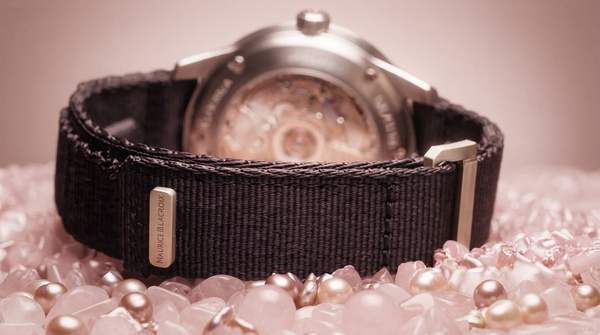
Hermès has invested in mushroom-based leather alternatives through a partnership with MycoWorks, integrating these sustainable materials into watch straps and bags. This move tangibly reduces reliance on traditional animal leathers. Similarly, Ralph Lauren's 'Color on Demand' system aims to reduce water usage in dyeing processes by 90%, according to its Sustainability Report, showcasing technological solutions for resource conservation.
However, integrating complex electronics into garments poses significant challenges for end-of-life recycling, as highlighted by the Circular Fashion Institute. These components complicate material recovery and often render items unrecyclable, directly contradicting circular economy principles. While some luxury brands, like those working with Vestiaire Collective, explore rental and resale models for smart garments to extend product lifespan, the fundamental issue of embedded electronics remains. The exploration of rental and resale models by some luxury brands demonstrates both immense potential and complex hurdles, often creating new waste streams under the guise of progress.
Beyond Aesthetics: Why This Shift Matters
The adoption of sustainable wearable technology could significantly reduce the fashion industry's carbon footprint, currently responsible for 10% of global emissions, according to the UN Environment Programme. This potential environmental impact demands urgent innovation. Beyond ecological benefits, personalized health monitoring via luxury wearables could shift healthcare towards preventative models, as suggested by the WHO Future of Health Report, offering tangible value to consumers.
Investment in sustainable textile research and development by luxury conglomerates has tripled in the last five years, according to the McKinsey State of Fashion. This financial commitment strategically repositions the sector. The tripling of investment in sustainable textile research and development, a powerful force for environmental good and redefinition of value beyond mere aesthetics, simultaneously creates new complexities for product lifecycles.
Common Questions and Misconceptions
What are the latest sustainable tech innovations in fashion?
Beyond bio-luminescent fibers, innovations include self-healing fabrics that extend garment life and advanced dyes that require minimal water. For instance, researchers at the University of Cambridge are developing bacterial dyes that grow directly onto fabric, eliminating the need for traditional water-intensive dyeing processes. The development of bacterial dyes by researchers at the University of Cambridge signals a fundamental shift in material science, moving beyond traditional manufacturing to biologically inspired processes.
How is technology changing luxury fashion?
Technology is transforming luxury fashion by enabling hyper-personalization, transparent supply chains, and novel material development. While this offers new aesthetic and functional possibilities, the average lifespan of a luxury garment is currently 3.5 years, according to the Ellen MacArthur Foundation, and smart components could either extend or shorten this depending on repairability.
What are examples of sustainable wearable tech?
Examples range from garments with integrated solar panels for charging small devices to clothing made from fully biodegradable polymers derived from algae. However, 'greenwashing' remains a significant concern, with 40% of sustainability claims by fashion brands found to be misleading by the Competition and Markets Authority, requiring consumers to scrutinize claims carefully.
By 2028, luxury conglomerate LVMH will likely face increased pressure from consumers and regulators to implement fully circular design principles for its tech-infused collections, especially as the global luxury market reaches its projected $381 billion valuation.