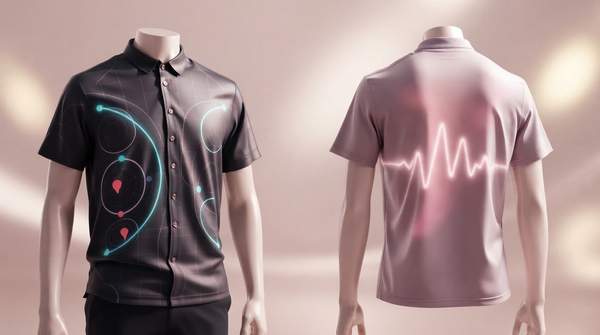
Luxury accessories are being reshaped by technology for one central reason: the customers who will dominate the market by 2030 expect it. According to Bain & Company research cited in industry analysis by Chengcheng Li, Gen Z will grow to become the predominant consumers of luxury goods by 2030. This generation, born into a digital world, demands seamless digital experiences, verifiable transparency, and products that blend style with function—pressures that are pushing brands to embed technology into both what they sell and how they sell it.
The Rise of Tech-Infused Luxury Accessories
Technology has moved from the periphery of luxury fashion to its core. As Hannah Longman reports for Fashion Week Online, tech accessories now serve as integral elements of luxury fashion, with the convergence of style and functionality shaping modern consumer preferences and driving demand for sophisticated gadgets. The shift is not cosmetic. As technology becomes integral to luxury looks, the market adapts around accessories that enhance overall outfits while maintaining functionality—what Longman describes as a new luxury standard. In parallel, luxury brands have become increasingly visible and accessible across online channels, producing a younger, more diverse consumer base whose expectations differ sharply from those of previous generations. The result is a market in which digital capability is no longer a differentiator but a baseline requirement.
Gen Z: The Driving Force Behind Digital Luxury
The strategic logic behind tech adoption starts with the buyer. Writing in The Interline, Chengcheng Li argues that the answer to captivating the new demographic lies in how well luxury brands adopt technology and incorporate data-driven insights into their ways of working—levers that inform both campaigns and the design of the products behind them. Gen Z are digital natives who grew up in a radically different world, and their expectations follow. Li points to reporting by Vogue Business that 70% of Gen Z only trust a brand after carrying out their own research, a figure that underscores the generation's values of awareness and honesty.
As Daniel Langer noted in Jing Daily as early as 2020, brands must provide the next generation of luxury consumers with seamless digital experiences or risk becoming obsolete. The commercial stakes are amplified by timing: these buyers' disposable income will grow over the next five years, precisely the window in which brand affinities are formed.