In a 1998 incident, David Beckham wore a Jean Paul Gaultier sarong at the World Cup in France, sparking a public outcry dubbed 'sarong-gate'. His manager, Glenn Hoddle, criticized the choice, believing Beckham had 'taken his eye off the ball', according to CNN. Personal style was once viewed as a serious professional detriment for World Cup players, a stark contrast to today's celebrated brand collaborations.
Player fashion was once a source of public and professional controversy. It is now a celebrated and commercially integrated aspect of the World Cup, a significant shift in how personal style intersects with the global game.
Based on the increasing integration of high fashion and individual player branding, future World Cups will likely see even bolder, more strategic fashion statements that further blur the lines between sport and luxury.
High Fashion Embraces the Beautiful Game
- The Spanish brand Loewe is designing fashion-forward suits for the Spanish national team, according to The Guardian.
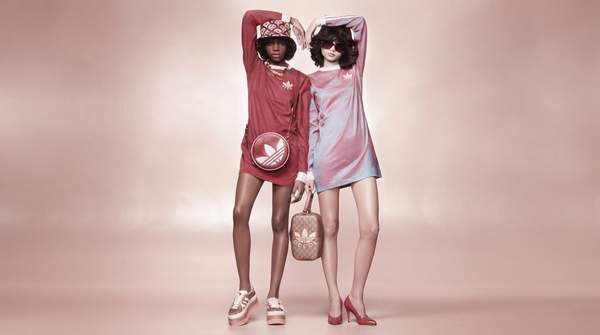
- The Miaou x Adidas collection was a hit, with the majority of pieces selling out, according to WWD.
High fashion is no longer a sideline distraction but a central, lucrative component of national team branding and fan engagement, creating a new revenue stream beyond traditional team merchandise.
From Backlash to Personal Expression: A Shifting Tide
England manager Glenn Hoddle commented that David Beckham had taken his eye off the ball due to his fashion choice, a remark that reportedly hurt Beckham, CNN reported. This historical perspective shows how personal style was once seen as a liability. In contrast, Maldonado created his first custom jersey in 2023, a move highlighted by the Los Angeles Times, indicating a rise in individual player-led fashion initiatives. The personal impact on Beckham and the rise of individual player-led fashion initiatives mark a significant evolution in how style is integrated into football culture, shifting from condemnation to celebrated self-expression.