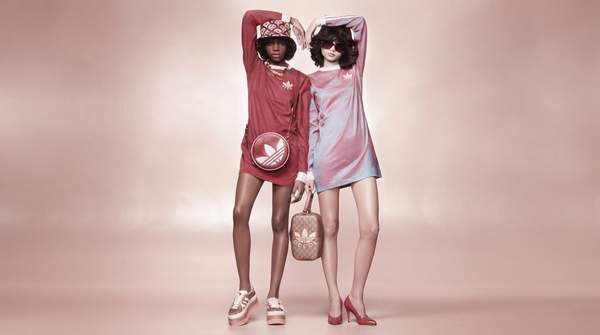
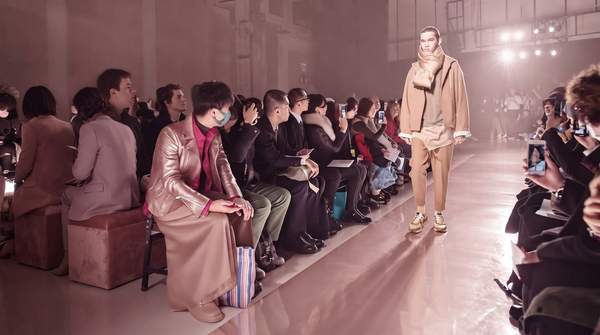
As international Covid restrictions abruptly halted traditional fashion shows, a curious thing happened: music videos, once merely a stage for pop stars, unexpectedly became the fashion industry's primary runway. It was like watching a sudden, glamorous pivot, a cultural mic drop heard around the globe. Suddenly, the catwalk was no longer a physical space but a digital spectacle, broadcast to millions.
For ages, fashion's gatekeepers held court in exclusive, gilded events, their influence built on curated exclusivity. But now, that potent power flows from the wildly accessible, endlessly rewatchable digital realm of music videos. It's a clash of titans, old guard versus new, played out on YouTube and TikTok.
The future of high fashion's visibility and influence will increasingly be dictated by its successful integration into popular digital entertainment, potentially diluting its traditional exclusivity.
When global lockdowns hit in 2020, shutting down physical fashion events, the industry adapted with the agility of a pop star hitting a high note. Music videos swiftly took over as the new primary runway, according to The Guardian. This wasn't just a temporary workaround; it was a grand, digital re-imagining of how clothes gain cachet, reaching audiences far beyond the velvet ropes. Brands, even the most exclusive, are driven by the need to be seen and influence, moving from hushed showrooms to stadium-sized digital screens where buzz is instantaneous. The new ecosystem quickly cemented itself, leveraging celebrity and music to bypass old gatekeepers. Influence shifted from exclusive access to mass digital engagement, a significant adjustment for an industry built on scarcity.
The New Catwalk: Replicating Fashion Week's Allure
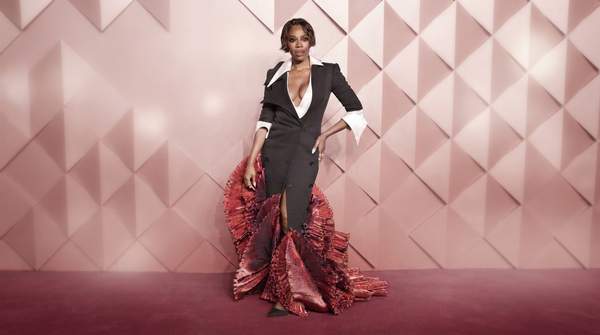
Remember the drama, the spectacle, the sheer escapism of a runway show? Music videos took that playbook and blasted it into the stratosphere. They replicated the entire vibe of fashion week: the theatre, elaborate production, undeniable celebrity status, and aspirational clothing, as reported by The Guardian. It's like they cloned the very essence of high fashion and put it on loop for anyone with an internet connection.
This isn't some cheap knock-off. Music videos effectively captured fashion week's core power to ignite desire and confer status across demographics. A single outfit worn by a global superstar in a viral video can launch a thousand trends, far outpacing any exclusive event. The digital stage offers unmatched amplification, turning viewers into instant trend-spotters and potential buyers.
Brands now recognize visual storytelling in a music video builds a deeper emotional connection with a broader audience than a traditional runway ever could. It's less about a fleeting moment and more about an enduring cultural touchstone. Companies clinging to the traditional runway risk irrelevance; the 'new runway' has irrevocably shifted fashion influence towards mass celebrity alignment over exclusive, curated experiences. Adapt or be forgotten, pure and simple.
From Personal Style to Strategic Branding
Here’s where things get really interesting, and maybe a little cynical. In 2020, clothing in music videos shifted from personal style to explicit, strategic brand alignment with celebrities and music acts, according to The Guardian. Fashion went from art form to billboard overnight, every stitch screaming a brand name.
Clothing increasingly serves as a strategic branding vehicle, prioritizing commercial goals over individual identity. Every accessory, sneaker, and jacket is a calculated endorsement, a subtle product placement. The days of a star simply wearing what they genuinely love are, perhaps, long gone, replaced by negotiated deals and brand partnerships.
Fashion brands trade perceived authenticity for unparalleled reach. It's a high-stakes gamble that could redefine luxury, prioritizing visibility over inherent value. While the reach is undeniable, the burning question lingers: at what cost to the genuine connection between wearer and garment, or the unique vision of a designer? This new arena forces brands to compete for influence in a public, celebrity-driven space, reducing their control over the brand narrative. Authenticity, it seems, is now a negotiable term.
Ultimately, the game has changed. Traditional luxury brands clinging to exclusive runway shows will likely face diminishing returns by Q4 2026. Their continued reliance on curated exclusivity, rather than embracing mass celebrity alignment in music videos, risks isolating them from the cultural pulse that drives consumer desire. The future belongs to those who understand the real status symbol isn't just what you wear, but where and by whom it's seen.