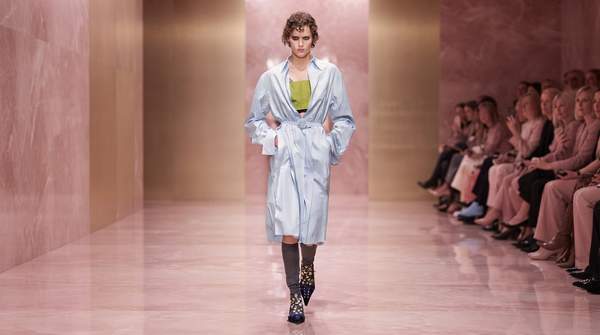
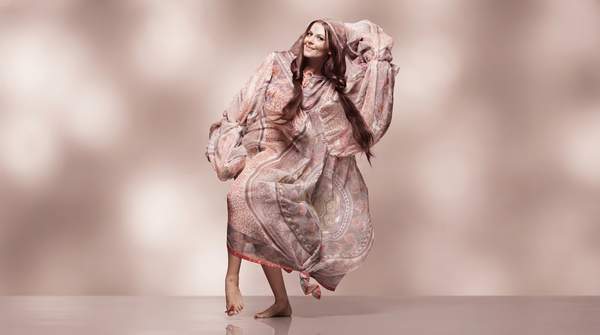
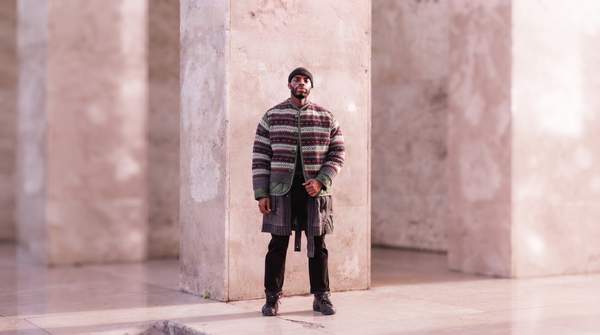
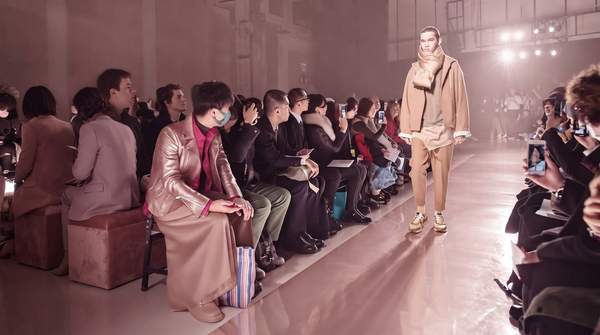
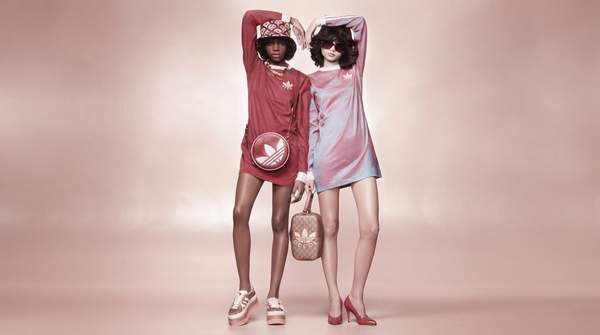
In February 1985, Patrick Kelly's groundbreaking first commercial collection exploded onto the pages of French Elle, a pivotal moment for a designer whose career would be tragically cut short just five years later. His vibrant, often playful designs captured immediate attention, establishing a bold new voice in Parisian fashion. That rapid ascent proved the immense power of visual presentation in launching a designer's vision.
Fashion stylists are the imagemakers and storytellers who narrate fashion through clothes, shapes, textures, and colors, but their critical role in defining designer legacies often goes unacknowledged. These creative architects shape public perception from behind the scenes, rarely receiving explicit credit for their profound impact.
As fashion's visual landscape becomes increasingly complex and media-driven, the strategic importance of stylists in cultivating and preserving designer legacies will likely grow, demanding greater recognition for their creative contributions. Their work transforms garments into compelling narratives, influencing how designers are remembered and understood.
The Unseen Architects: Defining the Stylist's Craft
Fashion stylists are masters of distinction, constructing and reflecting entire ways of life through visual statements, according to Elle Education. Their comprehensive role extends far beyond simply selecting clothes; they are essential architects of fashion's visual identity. They curate entire worlds around a designer's collection.
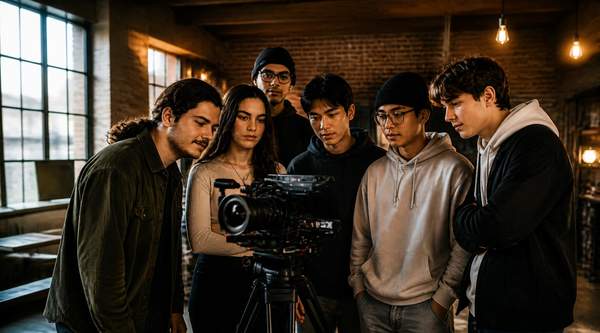
The stylist's craft demands planning creative concepts for shoots and campaigns, scouting locations, casting models, and meticulously sourcing every garment and accessory. They supervise set design, hair, and makeup, ensuring every element aligns to tell a cohesive story. This deep involvement means stylists don't just dress models; they craft the very context through which a collection is understood, subtly dictating its cultural resonance long after the shoot.
Shaping Eras: Stylists as Visionaries and Innovators
Polly Allen Mellen, for instance, pioneered taking fashion shoots out of the studio into exotic locations like Japan in the 1960s, according to Elle Education. This pioneering approach fundamentally changed how fashion was visually consumed, moving beyond static studio shots to dynamic, narrative-driven imagery. Mellen's work exemplified how stylists don't just arrange clothes; they invent new visual languages, transforming fashion from mere garments into aspirational experiences that resonate globally.