Archival research in fashion is not a nostalgic flip through old lookbooks. It is a systematic, multi-stage workflow — intentional exploration, structural analysis, studio synthesis, and reinterpretation — that luxury houses treat as strategic infrastructure rather than creative indulgence. The payoff is threefold: authentic product, compelling brand storytelling, and a blueprint for where the brand goes next. Understanding that workflow, and why houses invest in it, has become essential knowledge for anyone who designs for — or wants to work within — a heritage brand.
Introduction: The Enduring Power of Fashion Archives
I find it telling that when luxury executives talk about what clients want now, the word that keeps surfacing is authenticity. Writing in Glam Observer, fashion journalist Giada Graziano reports from the EY "Winning Back Aspirational Luxury Clients" conference in Milan that the message among executives was unambiguous: people no longer want the loudest brand, they want the most authentic one — and authenticity, craft, and story live in the archive.
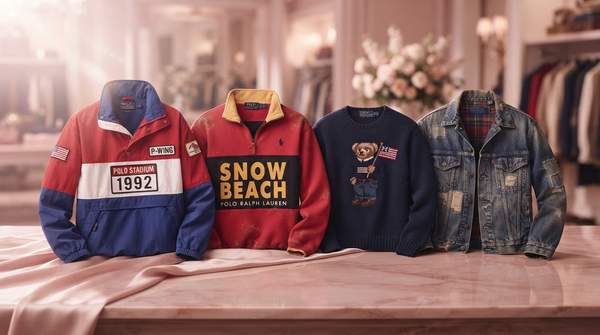
That is why the first move of an incoming creative director is so often the archive. Graziano's analysis of what she terms "archival luxury" points to Chanel, Dior, and Gucci as houses whose new creative leaders turned to their brands' historical materials to reset identity. The archive is where a brand's recognizable codes — its recurring cuts, motifs, and construction signatures — are stored and can be recovered.
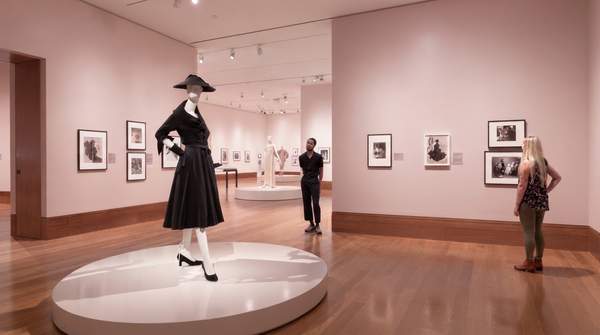
But what actually sits inside a fashion archive? The materials range widely: finished garments and accessories, sketches and design drawings, textiles, construction notes, and photographic documentation. Polimoda's graduate curriculum for fashion heritage managers describes collections of "historical garments, accessories, and archival materials" under professional stewardship. Archives also exist in different forms — a brand's own institutional holdings, digitized collections accessible at a distance, and academic and museum collections like those at FIT and the University of Alabama, which researchers use for object study. The archive, in short, is a working library of a brand's identity.
The Systematic Workflow of Archival Research
The process begins with intention, not browsing. As Sarah Murray explains in RMCAD's guide to designing with history, effective archival research starts before the collection is opened: designers should define what they are looking for and why. The archive becomes powerful, she argues, when it moves beyond visual reference and becomes structured design research, with archival materials treated as primary sources.
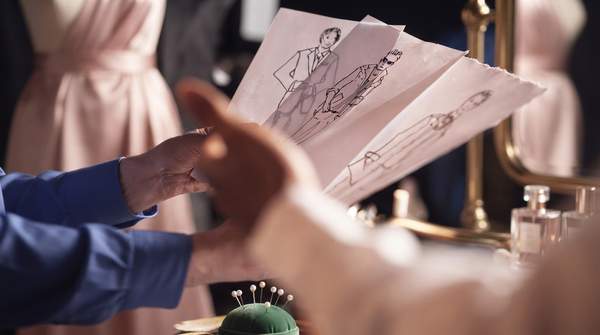
Analysis is where the real work happens. The Fashion History Timeline at the Fashion Institute of Technology instructs researchers to examine a garment carefully, describe it in as much detail as possible, and sketch the silhouette or key details. Murray pushes further: designers should look beyond silhouette and surface decoration to cuts, finishes, alterations, and wear, because those elements reveal how a garment functioned in real life. Reinforced areas indicate durability concerns; alterations may reflect changing trends, shifting body measurements, or garment reuse. This analysis, she notes, builds technical literacy in ways photographs alone cannot.
Academic researchers formalize this into a material culture methodology of systematic object study in three stages — observation, reflection, and interpretation — a framework adapted by scholars Ingrid Mida and Alexandra Kim from the work of Jules Prown for object-based research in dress, as documented by the University of Alabama's Fashion Archive. The point is that the sequence matters: seeing, then thinking about what was seen, then drawing meaning from it.
The Fashion Archival Research Workflow
The framework below structures the documented activities of archival research into a sequential workflow, showing what the designer does at each stage, what materials feed the work, and what each stage produces. Its reader use is straightforward: a designer — or a student of design — can locate themselves within the process and see what the next stage requires.
| Stage | Key Activities | Archival Material Used | Creative Outcome |
|---|---|---|---|
| Access & Exploration | Define research questions for the design brief; browse holdings with specific intent rather than random collecting | Full archive scope: garments, accessories, sketches, textiles, records | A focused set of source materials and initial inspiration grounded in stated questions |
| Analysis & Documentation | Examine and fully describe objects; sketch silhouettes and key details; study cuts, finishes, alterations, and wear; observe, reflect, interpret | Physical garments, construction details, textiles | Documented technical understanding of how historical pieces were built and actually used |
| Synthesis & Ideation | Step away from the archive into a separate working space; work with notes, sketches, and documentation | Research notes, sketches, photographic documentation | Design concepts grounded in the brand's codes and the designer's own judgment |
| Reinterpretation & Application | Translate historical insights for today's audiences and technologies; decide what survives adaptation | All prior findings, transformed | Original new designs informed by — not copied from — the archive |
The critical structural insight comes from design researchers Nicola Besana, Marianne Graves Petersen, Peter Gall Krogh, and Davide Spallazzo, who observed that creatives browse the digital archive and then physically step away to a separate space where they reinterpret the elements they found. That separation is not incidental. It is what allows inspirations and learnings from the past to become new creative expressions in the designer's own original work.
Strategic Imperatives: Why Luxury Brands Invest in Heritage
Graziano's analysis identifies three strategic models of archival luxury. First, heritage as a creative foundation: the archive supplies authentic raw material for product development, rooted in the historical depth and unique identity preserved within the holdings. Second, heritage as a brand experience: archives fuel storytelling, exhibitions, and marketing that connect consumers to the brand's past and foster deeper engagement. Third, heritage as a future blueprint: archives inform long-term strategy, identity resets, and how brands adapt to changing client expectations.
Digital technology amplifies all three. Researchers Chiara Colombi and Marcella Martin, writing in the European Journal of Cultural Management and Policy, describe how digital access turns the archive into what they call a living organism rather than a static collection — one where past narratives are revived, re-enacted, and linked to contemporary cultural trends. Digital access extends participation beyond physical attendance to global reach, generates new forms of cultural capital around gaming and community-building, and collects an unprecedented amount of data on consumer tastes and behaviors that can support new understandings of the archive itself.
The strategic value extends well beyond product design. Polimoda's curriculum treats heritage explicitly as a strategic asset in fashion business, and describes the fashion heritage manager as the professional who connects a brand's past with its present and future — directing archive operations, coordinating digitization projects, and ensuring conservation standards. The archive is now managed infrastructure, with dedicated career paths, not a storeroom of relics.
From Past to Present: Reinterpreting Historical Elements
What distinguishes strong archival work from costume reproduction is the act of translation. Murray's guidance is explicit: the ultimate goal of archival research is reinterpretation — translating historical insights into designs that feel relevant to today's audiences and technologies. A designer does not lift a historical element wholesale; they study what it was, ask how it functioned, and decide what it could mean now.
The two-step structure that Besana and colleagues observed makes this possible. The archive visit supplies raw material and documented findings; the studio is where judgment happens. A designer who has studied alterations and reinforced stress points understands why a garment was built the way it was — and is equipped to decide which of those construction decisions still matter for a contemporary collection and which belong to a vanished context.
There is also a discipline here that separates research from mood-boarding. Casual image collection produces visual references; structured inquiry produces design intelligence. The difference shows up in the finished garment: a design traced through observation, reflection, and interpretation carries an accountable relationship to its source, while a look borrowed from a scrapbook carries only resemblance.
Leveraging Heritage for Future Collections
Luxury fashion designers should integrate systematic archival research into their creative process to ensure authenticity, drive innovation, and strengthen brand identity. The measurable indicator of success: new collections consistently demonstrate clear, attributed reinterpretations of historical brand codes and design elements, supported by cohesive brand storytelling.
For the working designer, the practical test is simple and checkable. Can you trace a design decision in your current collection back to a specific documented finding — a construction detail, a textile, a dated garment — and explain why you adapted it rather than copied it? If the answer is yes, and if the brand's storytelling around the collection makes that lineage legible to the client who wants authenticity over volume, the archive is doing its job.
Sources
- How Fashion Brands Turn Heritage into Strategy: The Rise of ‘Archival Luxury’ — Glamobserver
- Master in Fashion Heritage & Archive Management — Polimoda Fashion School
- Designing with History: How Fashion Archives Shape Today’s Garments - RMCAD
- - The Fashion Archive — Thefashionarchive
- Frontiers Publishing Partnerships | Co-designing with the archive: a new way of interacting with fashion design heritage
- Frontiers Publishing Partnerships