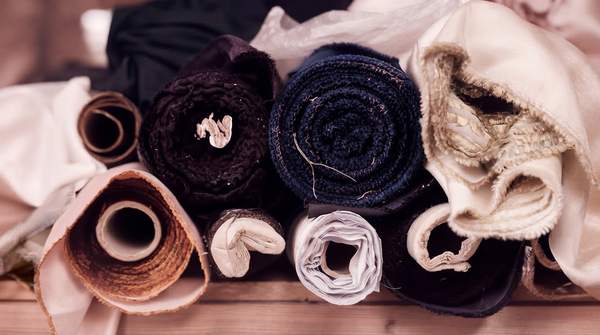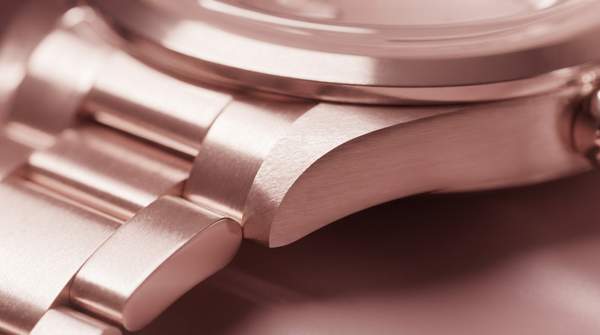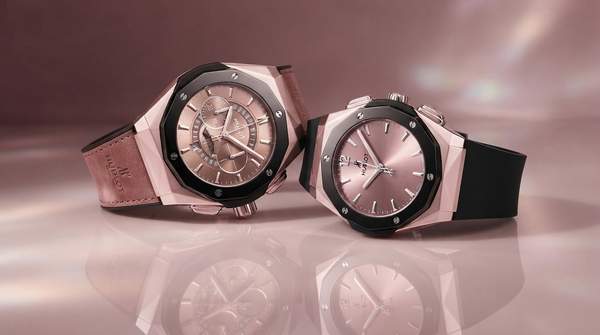
The most interesting thing happening in luxury watchmaking today isn't on the dial — it's in the case. Brands like Panerai and Richard Mille have moved decisively beyond traditional gold and steel, developing proprietary alloys and aerospace-derived composites that promise something the old materials couldn't: watches that are lighter, harder to scratch, and visually unlike anything else on the wrist. I find this the most compelling argument for modern high-end watchmaking, because it turns engineering into identity.
The Evolution of Materials in Luxury Watchmaking
For most of watchmaking's history, the material conversation was short: gold for luxury, steel for utility. That has changed. As industry commentary on modern horology notes, a wave of material innovation has transformed the field — lightweight carbon has reshaped sports watchmaking with an exceptional strength-to-weight ratio, while ceramics offer what that commentary calls "virtually scratchproof, colour-stable" resilience. Stainless steel, meanwhile, remains a staple prized for balancing ruggedness with refinement.
What's new isn't just the materials themselves but their provenance. The advanced composites now appearing on six-figure watches were originally engineered for far less glamorous purposes — aerospace, Formula 1, and competitive sailing — and the watch industry has adapted them to a context where aesthetics matter as much as performance. The result is a market where a proprietary material name on the spec sheet carries real meaning, and where brands compete on metallurgy as fiercely as on movements.
Panerai's Material Innovations: Enhancing Durability and Performance
Panerai's trajectory explains its obsession with materials. Founded in 1860 as a supplier of precision instruments to the Italian Navy, the brand evolved into luxury sports watches while retaining what watch-industry reporting describes as "a constant drive for innovation, particularly in materials science." That heritage shows in two signature materials.
The first is Ti-Ceramitech™, which Panerai developed as a proprietary material that, per that reporting, "merges the lightness of titanium with the exceptional resilience of ceramic." The appeal is straightforward: you get a case noticeably lighter than steel that resists scratches and wear far better than untreated titanium — a genuine improvement over both parent materials rather than a marketing hybrid.
The second is Platinumtech™, a proprietary blend designed and crafted solely by Panerai. According to Panerai's own materials page, the alloy is made 80% stronger than typical platinum through a unique treatment method that greatly enhances scratch resistance. I'd flag that caveat honestly: the 80% figure is the brand's claim, not independent lab testing. But the intent is clear — platinum's famous beauty, minus its famous softness, so a watch "prepared to withstand everyday use without losing their perfect condition," as the brand's description puts it.