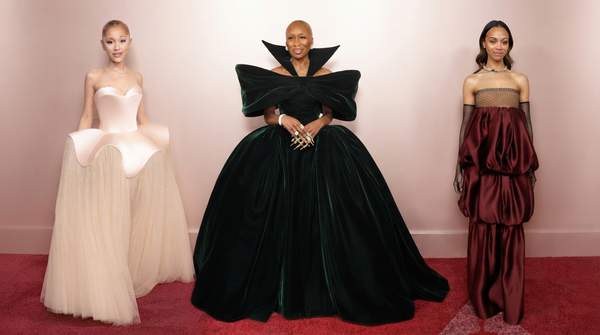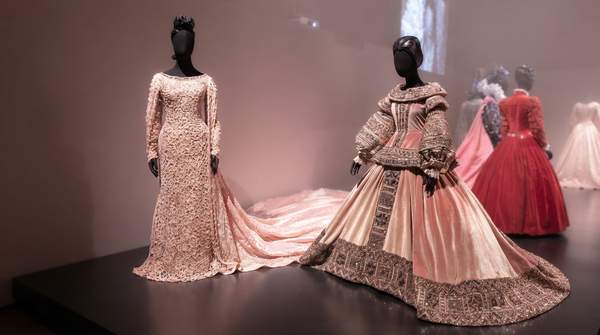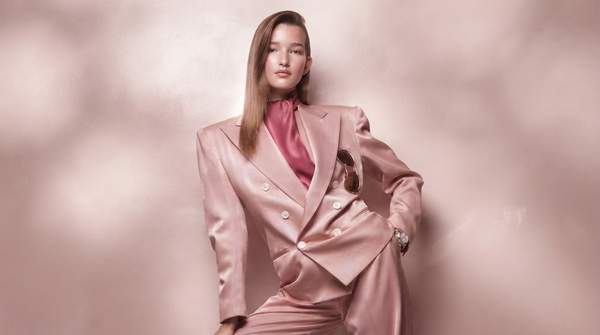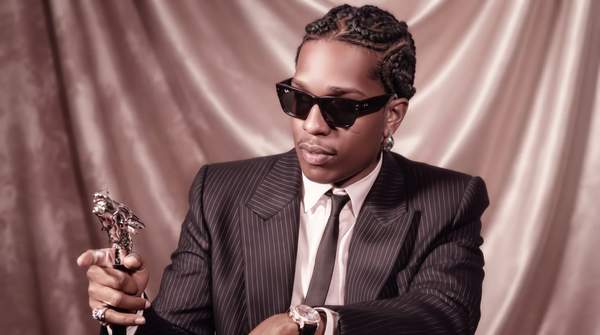
Luxury marketing has moved decisively from one strategy to two. Where a prestigious fashion house once banked its image on a single famous face, it now manages a portfolio of endorsers—global celebrities for prestige, and smaller social media influencers for authenticity. The shift is not a trend swap; it is a structural answer to a tension at the heart of the luxury business: how to widen your audience without cheapening the dream you sell.
The Evolution of Luxury Endorsements: From Aspiration to Authenticity
Influencer marketing in the luxury industry initially mirrored traditional celebrity endorsements. Prestigious fashion houses and luxury car brands collaborated with celebrities to create aspirational campaigns—a method that, as an industry account of the sector's evolution puts it, relied heavily on the perceived importance and exclusivity associated with the celebrity's image. The famous person did not merely wear the product; they transferred their status onto it.
That equation broke down as social media democratized fame. The rise of platforms like Instagram, YouTube, and later TikTok allowed a new breed of influencer to emerge. These individuals built followings not through mainstream celebrity status, but through relatable content, niche expertise, and authentic engagement (S7b310452:P3, S8f309d34:P8). For luxury brands, this presented both a challenge and an opportunity: how to maintain exclusivity while embracing the authenticity that social media influencers offered (S7b310452:P3).
Partnerships themselves remain foundational, even as their form changes. Dr. Federica Carlotto, Program Director of MA Luxury Business at Sotheby's Institute of Art, has described endorsements as having "always been critical to enhancing and bringing to life specific brand traits" (S1:P6). What has changed is the type of partner and the story that partner can credibly tell. As consumers grow more conscious of issues like sustainability and social responsibility, brands increasingly seek influencers whose values align with their own—pairing authenticity with a stronger emphasis on ethics and transparency (S7b310452:P12).
Strategic Framework: Types of Influencers in Luxury Marketing
Contemporary influencer marketing is best understood as a categorization problem. A practical taxonomy developed by influencer marketing analyst Jenn Kim identifies a spectrum of brand partners, including social media influencers who expand reach and connect brands with target audiences, long-term ambassadors who integrate products into their lifestyles, credentialed experts who establish trust and credibility, and customers themselves as word-of-mouth advocates.
For luxury brands specifically, two categories do most of the strategic work. Traditional celebrities bring instant, broad recognition and aspirational weight—but managing them can complicate campaigns across marketing formats. Micro-influencers, with smaller but highly engaged social followings, offer the opposite profile: niche credibility, direct interaction, and loyal audiences reached through the platforms where younger affluent consumers actually spend time.
Notably, the environment rewards this diversification. Citing figures gathered by the same analysis, 70% of teens trust influencers more than traditional celebrities, and 92% of consumers trust recommendations from friends, family, and influencers—numbers that explain why a maison cannot rely on a single glossy campaign and call it reach.