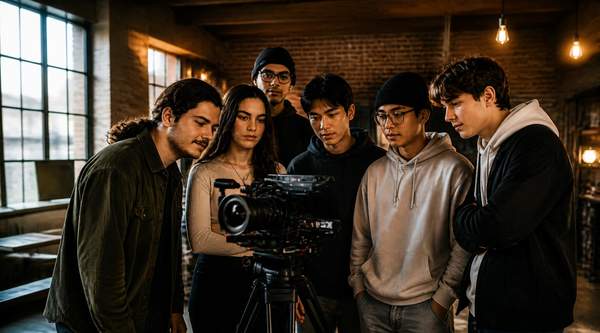
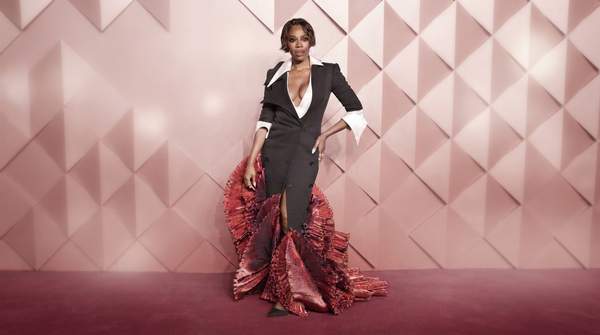
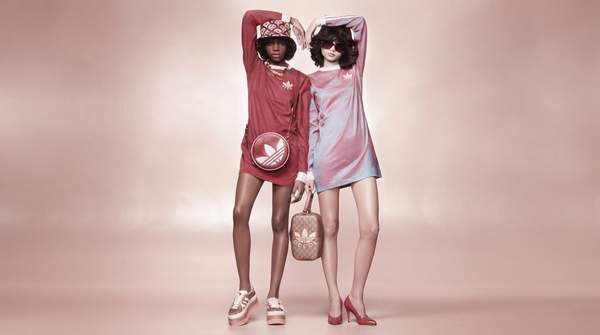
Luxury brand MCM, known for its distinctive heritage designs, celebrates its 50th anniversary in 2026 not just with a nostalgic 'family story' film by Argentinian director Lucio Castro, but also a capsule collection featuring K-pop star Mingi of Ateez, according to WWD and The Straits Times. This dual strategy presents a clear tension: MCM emphasizes its past through a winter campaign, yet simultaneously launches a K-pop collaboration to mark its milestone. MCM appears to navigate a complex strategy of honoring its legacy while aggressively pursuing a younger, global audience, a move that could either solidify its market position or dilute its luxury appeal.
How MCM Blends Archival Designs with K-Pop Merch?
The winter 2026 campaign, featuring Castro's film, focuses on a family and MCM bags, launching on digital channels June 15, then in select print, WWD reports. In contrast, the MCM x Ateez with Mingi capsule collection, detailed by The Straits Times, includes streetwear like hoodies and T-shirts alongside signature backpacks. Mingi will appear at an MCM pop-up event on June 5, ten days before the winter campaign launch. MCM prioritizes immediate youth engagement, leveraging pop culture for rapid market penetration ahead of its more traditional brand narrative.
MCM reintroduces archival designs from the late '70s and '80s, including new Dia shoulder bags, WWD notes. The reintroduction of archival designs contrasts with the streetwear focus of the K-pop collection. The brand's history under Sungjoo Group, which acquired and revitalized MCM in 2005, according to The Guardian, shows a pattern of using heritage as a flexible foundation for new narratives. Offering a free 30-minute upcycled rabbit charm workshop at the Paragon pop-up further engages Gen Z values, selling an experience beyond just products. Offering a free 30-minute upcycled rabbit charm workshop at the Paragon pop-up aims to democratize its luxury image, targeting the 'accessible luxury' market.
What is MCM's Strategy for 2026?
MCM's dual strategy, reintroducing archival designs while embracing K-pop, is a calculated gamble. It targets a youth-centric luxury identity, potentially at the cost of traditional heritage. The brand's willingness to launch a K-pop event before its official winter campaign underscores a strategic pivot towards immediate cultural relevance over a solely historical celebration. The brand's willingness to launch a K-pop event before its official winter campaign could either cement its relevance with a new generation or risk diluting its established luxury appeal.