Modern streetwear's DNA was assembled in the 1990s by three distinct subcultures — hip-hop, skate, and grunge — and each contributed something the others didn't. Hip-hop brought baggy silhouettes and loud logo branding, skate culture brought comfort and a grassroots anti-establishment ethos, and grunge brought distressed, deliberately anti-fashion styling. That's the short answer. Below, I break down each movement's specific contributions, then put them side by side in a comparison you can use to trace 90s lineages in today's high fashion and global street style.
Hip-Hop's Dominance: Baggy Silhouettes and Bold Branding
Three contributions stand out, and hip-hop made the loudest entrance of the three.
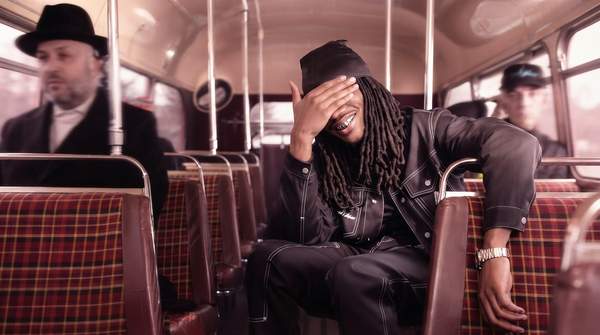
- The streets became runways. As the 90s progressed, hip-hop culture exploded beyond music into language, art, and most visibly fashion, with artists becoming style icons in baggy jeans, oversized hoodies, and Timberland boots — a look that blended function with rebellion, as Justin Marine's account of the era puts it. Writing on 1990s men's trends, Vogue's Lilah Ramzi confirms the formula on the ground: in the hip-hop tribe, "baggy jeans with baggy, layered tees ruled."
- Sportswear merged with street style. Major athletic brands — Adidas, Puma, Nike — rode the wave, merging urban aesthetics with sportswear until, as one retrospective on 90s streetwear describes it, the merging of athletic wear with casual everyday clothing became a defining characteristic of the look.
- Logos became declarations. "Wearing a shirt with a bold, oversized logo wasn't about subtlety — it was about being seen, about announcing an affiliation with a specific scene or brand loudly and proudly," that same account explains. This directness set streetwear apart from the more understated fashion norms that preceded it.
Crucially, this wasn't a top-down trend. Labels such as FUBU, Karl Kani, and Cross Colours emerged in this moment, designed by and for the culture, as the mixerfriendly history emphasizes. And the bridge to luxury was being built at the same time: the Rocky Mountain College of Art + Design's streetwear history credits Harlem couturier Dapper Dan, prominent in the late 1980s and 1990s, with made-to-order customizations that challenged conventional fashion norms and shaped recognizable elements of modern streetwear.