The Glossy Times

What Are Clean Beauty Certifications and Ethical Sourcing?

A new certification, NSF/ANSI 527, is emerging to define 'clean' in personal care, signaling a shift towards verifiable ingredient safety and product quality.

PS
Priya Sharma

June 3, 2026 · 3 min read

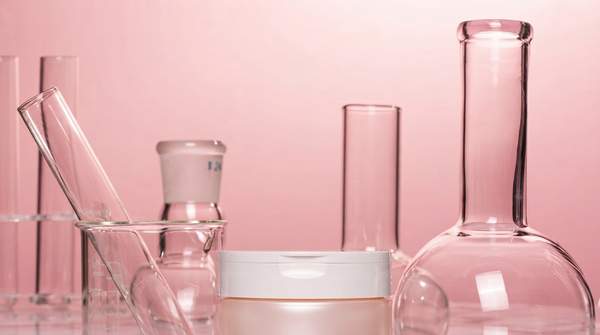
A clean beauty laboratory showcasing natural ingredients and the NSF/ANSI 527 certification seal, representing verifiable ingredient safety and product quality.

A new certification, NSF/ANSI 527, is emerging to define 'clean' in personal care, signaling a shift towards verifiable ingredient safety and product quality. This standard helps brands and manufacturers demonstrate product quality and ingredient safety, according to Cosmetics & Toiletries. Consumers demand clear, ethical clean beauty, but the industry's standards and certifications are still emerging and complex. This complexity creates a tension between consumer expectations for transparency and the varied definitions across the market. Companies that proactively adopt and communicate robust certifications and transparent ethical sourcing practices are likely to gain significant market advantage and consumer trust.

The new NSF/ANSI 527 certification introduces a standardized framework for ingredient safety and product quality in personal care. It clarifies "clean" for consumers and brands, moving beyond self-declared claims. This third-party verified benchmark pressures manufacturers to validate formulations with concrete evidence, pushing the industry towards greater accountability. Brands must now prove their promises or risk losing consumer confidence.

What Do 'Clean' Certifications Actually Mean?

Beyond the general 'clean' label, specific certifications like NSF/ANSI 305 verify if a personal care or cosmetic product is organic, according to NSF. This standard provides a clear, third-party verified benchmark for organic claims, ensuring products meet rigorous ingredient criteria.

The co-existence of certifications like NSF/ANSI 527 for 'clean' and NSF/ANSI 305 for 'organic' reveals a fragmented landscape of 'ethical' definitions. Brands must navigate multiple standards, while consumers seek a unified understanding of transparency. This fragmentation demands deeper scrutiny beyond surface-level claims, pushing brands to adhere to specific, verifiable criteria from sourcing to manufacturing.

Beyond Labels: The Art of Ethical Ingredient Sourcing

Ingredient supplier Roelmi HPC employs non-GMO, high-oleic sunflower seed oil and low-energy mechanical extraction methods in its production of esters, surfactants, and emulsifiers for clean beauty products, according to BeautyMatter. Roelmi HPC's non-GMO, high-oleic sunflower seed oil and low-energy mechanical extraction methods demonstrate a commitment to sustainable raw materials and eco-friendly processing.

While industry associations like PCPC promote general codes of conduct, Roelmi HPC's detailed methods reveal true market differentiation. Their focus on non-GMO inputs and low-energy extraction establishes verifiable, granular supply chain practices. This level of detail ensures high-quality, ethically produced components and builds consumer trust more effectively than generic "clean" claims alone.

From Waste to Wonder: Innovative Supply Chain Transparency

Roelmi HPC also utilizes by-products from olive oil production to create esters and emulsifiers, establishing a transparent supply chain and ensuring ingredient purity, according to BeautyMatter. This approach challenges the common perception that 'clean' implies only pristine, newly sourced components.

Roelmi HPC's utilization of by-products from olive oil production demonstrates a deeper level of sustainable resourcefulness, transforming waste into valuable cosmetic ingredients. It embraces a circular economy model within the beauty sector, offering brands a powerful differentiator beyond basic 'clean' claims.

Industry's Commitment: Setting Standards for Responsible Sourcing

Member companies of the Personal Care Products Council (PCPC) integrate responsible sourcing into their procurement and supply chain management, applying this commitment across their entire operations, according to the Personal Care Products Council. The integration of responsible sourcing by PCPC member companies shows a widespread recognition of ethical practices as fundamental to modern business.

The integration of responsible sourcing by PCPC member companies signifies a shift: companies now view ethical sourcing not as an add-on, but as a core component of their operational strategy. It builds a foundation for long-term sustainability and consumer confidence, pushing beyond general codes of conduct towards verifiable, granular integrity.

The Business Case for Ethical Beauty

Managing sourcing risks and engaging with suppliers unlocks significant business value and builds competitive advantage, according to the Personal Care Products Council. Managing sourcing risks and engaging with suppliers indicates ethical sourcing is not merely a compliance task, but a strategic move for long-term growth.

Brands that merely comply with emerging 'clean' certifications like NSF/ANSI 527 without also implementing deep, verifiable sourcing practices will likely struggle. By Q3 2026, those failing to demonstrate granular integrity and transparent ethical commitments will see their competitive edge erode against more transparent rivals.